Back to Blogs

How Long Do Dental Implants Really Last?

Dental implants can last decades with proper care, while diligent hygiene preserves both your jawbone and custom crown.

November 5, 2026
•
2 min read
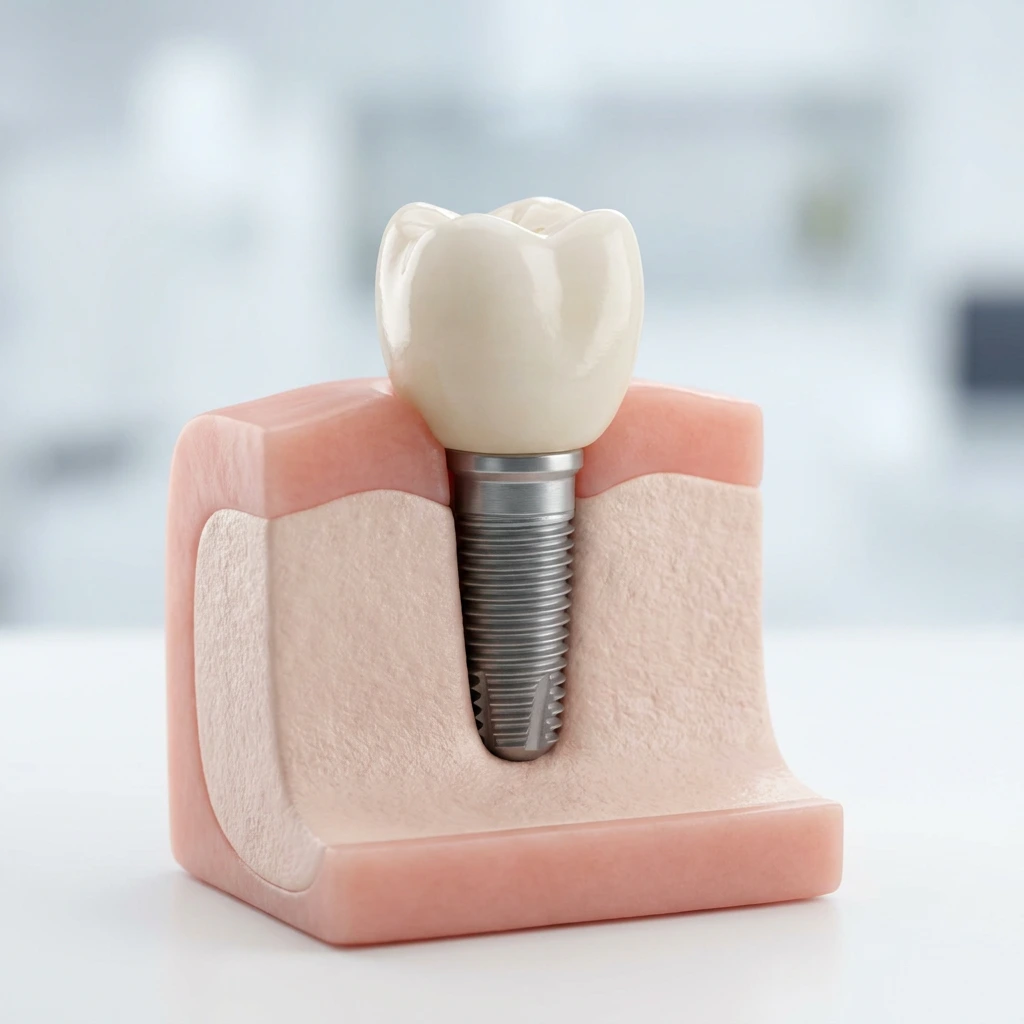
A cross-section model of a dental implant displays a titanium screw anchored in synthetic jawbone and gum tissue, topped with a realistic ceramic crown.
Back to Blogs

Heading

A cross-section model of a dental implant displays a titanium screw anchored in synthetic jawbone and gum tissue, topped with a realistic ceramic crown.

How Long Do Dental Implants Really Last?

Dental implants can last decades with proper care, while diligent hygiene preserves both your jawbone and custom crown.

November 5, 2026
•
2 min read

How Long Do Dental Implants Last?

Modern dental implants are designed to provide a durable, long-lasting tooth replacement option that can serve you for several decades. While the titanium post anchored in your jawbone can remain stable for twenty-five years or longer with excellent oral hygiene, the visible dental crown often experiences normal wear and tear over time.

When you consider restorative tooth replacement, understanding your treatment's expected lifespan helps you make informed choices about your smile. At Choi & Lee Family Dentistry, Dr. Diana Lee evaluates each patient's bone density, oral health, and bite patterns to support the stability of every replacement tooth.

Clinical research demonstrates that an implant post integrates directly into natural jawbone through a biologic process called osseointegration. Because bone cells fuse around the post, your replacement tooth functions like a natural root, providing a secure foundation that protects jaw integrity and supports everyday chewing.

Dr. Lee points to a dental implant model while speaking with a patient seated in an exam chair in a bright dental office.

What Is the Difference Between Post and Crown Lifespans?

The primary difference between post and crown lifespans is their biological attachment and daily exposure to friction. An implant post integrates beneath your gumline into bone and rarely needs replacement, whereas the exterior porcelain restoration withstands continuous chewing forces and may require refurbishment or replacement after ten to fifteen years.

Understanding the anatomy of your restored tooth clarifies why different components experience unique wear patterns. While the post remains protected within healthy bone, the visible restoration absorbs significant mechanical force each day.

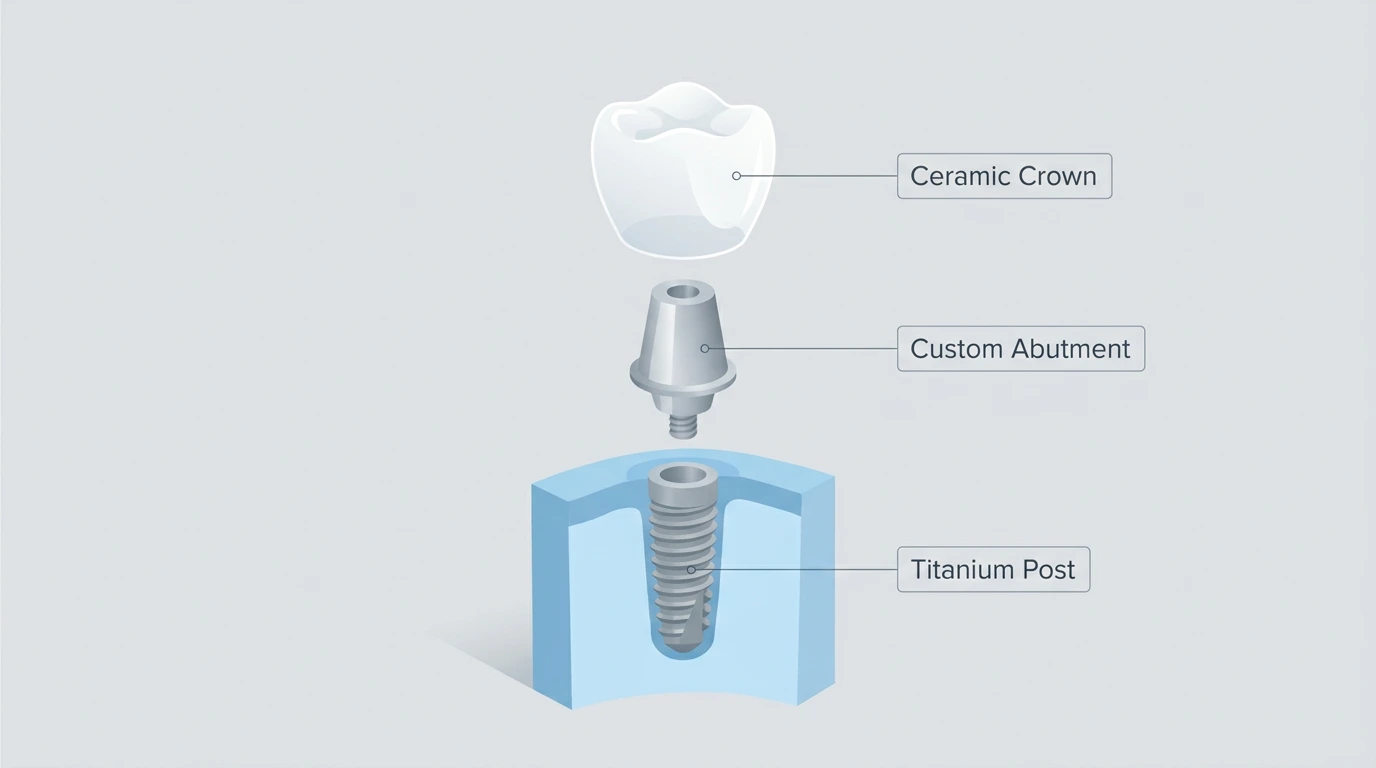
Components of an Implant Restoration

  • The titanium post: This biocompatible cylinder is placed into the jawbone, where it acts as an artificial tooth root that stimulates bone tissue.
  • The custom abutment: A durable connector piece secures firmly to the post, serving as the shock-absorbing anchor point for your restoration.
  • The ceramic crown: Crafted to match natural enamel, custom crowns handle biting pressure and can be replaced independently without disturbing the post below.

Dr. Diana Lee monitors each component during routine visits, verifying that your bite remains balanced and your restoration stays firmly attached.

Exploded diagram of a dental implant showing a ceramic crown, a custom abutment, and a titanium post set in a cross-section of bone.

What Factors Affect Dental Implant Lifespan?

Key factors affecting implant longevity include your daily brushing habits, bone quality, smoking history, systemic health conditions, and teeth-grinding habits. Diligent plaque removal prevents localized gum inflammation, while stable bone density keeps the post securely anchored, helping your restoration maintain reliable stability through years of daily chewing.

Your everyday routines play a significant role in maintaining oral stability over the years. A patient with healthy gum tissue and well-controlled systemic health generally experiences smooth, long-term restorative performance.

Influences on Long-Term Implant Success

  • Daily oral hygiene: Brushing twice daily and flossing around your implant helps stop harmful bacteria from collecting near the gumline.
  • Tobacco avoidance: Smoking constricts microscopic blood vessels in gum tissue, which can compromise bone healing and significantly increase implant failure risks.
  • Bite force distribution: Unmanaged night grinding places excess lateral stress on prosthetic teeth, making protective nightguards beneficial for preserving ceramic restorations.
  • Systemic wellness: Controlled blood sugar levels and stable bone metabolism allow surrounding tissues to support dental posts effectively.

Maintaining these foundational habits protects the supportive tissue surrounding your teeth and implants across every stage of life.

Mint green callout card with a tooth and shield icon that reads Daily Care Protects Implants.

What Are the Signs of Dental Implant Problems?

Warning signs of potential implant complications include persistent bleeding during brushing, localized gum swelling, continuous discomfort when chewing, and any noticeable looseness in the tooth. Catching these early symptoms allows your dental team to treat superficial soft-tissue inflammation before deep bone loss develops around the base of the post.

Healthy implants feel just as stable and comfortable as natural teeth. If you experience unexpected mobility or tenderness near your replacement tooth, you should schedule a comprehensive evaluation promptly.

In many instances, looseness indicates that the abutment screw or crown has worn loose rather than an issue with the post itself. However, an untreated inflammatory condition known as peri-implantitis can gradually break down supportive bone if bacterial biofilm accumulates unchecked.

Dr. Diana Lee checks gum pocket depths and tissue health around implants during routine exams to intercept minor inflammation early. Addressing minor tissue irritation early protects your bone foundation and keeps your smile comfortable.

A patient smiles into a bathroom mirror while gently touching her lower lip to inspect her teeth, with a toothbrush resting on the shelf below.

Schedule Your Implant Consultation in La Verne

Take the first step toward restoring your smile with dependable tooth replacement. Contact Choi & Lee Family Dentistry in La Verne, CA to schedule your personalized implant consultation with Dr. Diana Lee today.

Modern reception area at Choi & Lee Family Dentistry in La Verne with comfortable seating, a curved white desk, mountain views through large windows, and natural lighting

How Should You Care for Dental Implants Daily?

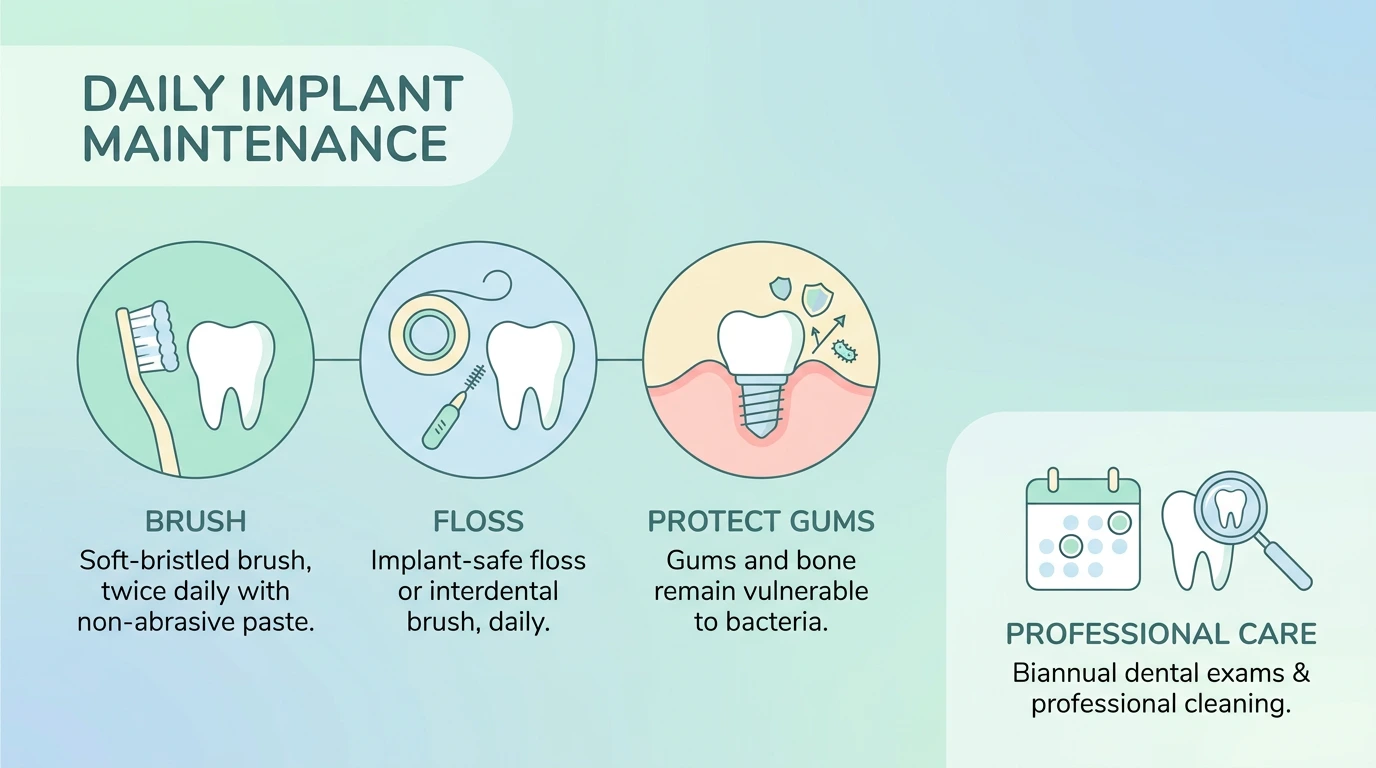
Caring for dental implants requires brushing twice daily with a soft-bristled toothbrush, flossing daily with implant-safe floss or an interdental brush, and using non-abrasive toothpaste. These gentle cleaning habits remove sticky plaque biofilm from the gumline without scratching porcelain crowns or irritating the sensitive peri-implant seal.

While replacement teeth cannot develop traditional dental decay, the living gums and bone holding them in place remain vulnerable to bacteria. Maintaining clean contact points between your teeth protects the delicate seal where restorations meet your gum tissue.

Daily Maintenance Steps for Optimal Longevity

  • Soft-bristled brushing: Clean along the gumline at a forty-five-degree angle twice daily to clear biofilm without causing gum recession.
  • Targeted interdental flossing: Thread specialized unwaxed tape or soft plastic interproximal brushes between teeth to sweep away trapped food particles.
  • Non-abrasive pastes: Choose gentle, fluoride-containing toothpastes that protect adjacent natural teeth without dulling or scratching custom dental porcelain.
  • Routine dental cleanings: Schedule professional cleanings and exams every six months so our hygienists can safely polish restorations with instruments designed for titanium.

Consistent hygiene practices keep your mouth comfortable and protect your investment for years to come.

Infographic outlining daily dental implant maintenance with illustrated icons and text detailing steps to brush, floss, protect gums, and schedule professional care.

Who Is a Good Candidate for Dental Implants?

A good candidate for dental implants has healthy gums, sufficient jawbone volume, good general health, and a commitment to regular dental visits. Adults seeking tooth replacement in La Verne can typically qualify if chronic conditions like diabetes are well-managed and active gum infections are treated beforehand.

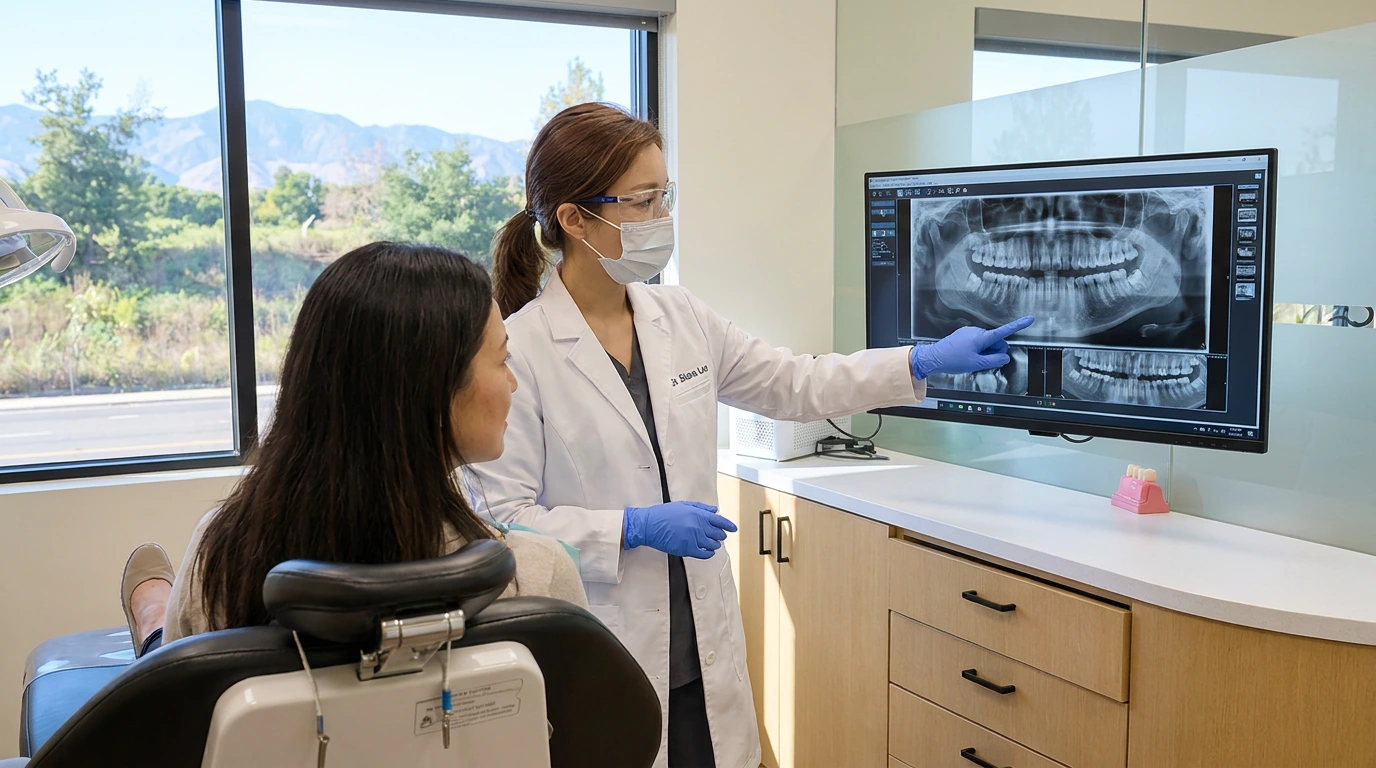
When evaluating patients for restorative care, Dr. Diana Lee conducts a thorough exam using modern imaging to inspect underlying bone structure. Having adequate vertical and horizontal bone ridge volume ensures the titanium post can anchor securely without impinging on nearby anatomical structures.

If you have experienced bone resorption following previous tooth loss, preliminary bone preservation techniques can help rebuild the site prior to placement. Managing conditions like autoimmune disorders or uncontrolled blood sugar is essential, as healthy immune responses support proper tissue healing.

Age alone is rarely a barrier for adult patients. Whether you are replacing a single injured tooth or rebuilding multiple arches, our team tailors your restorative plan to your unique oral anatomy and long-term wellness goals.

Dr. Lee, wearing a lab coat and mask, points to dental X-rays on a monitor while explaining them to a patient seated in a dental chair.

How Do Implants Compare to Bridges and Dentures?

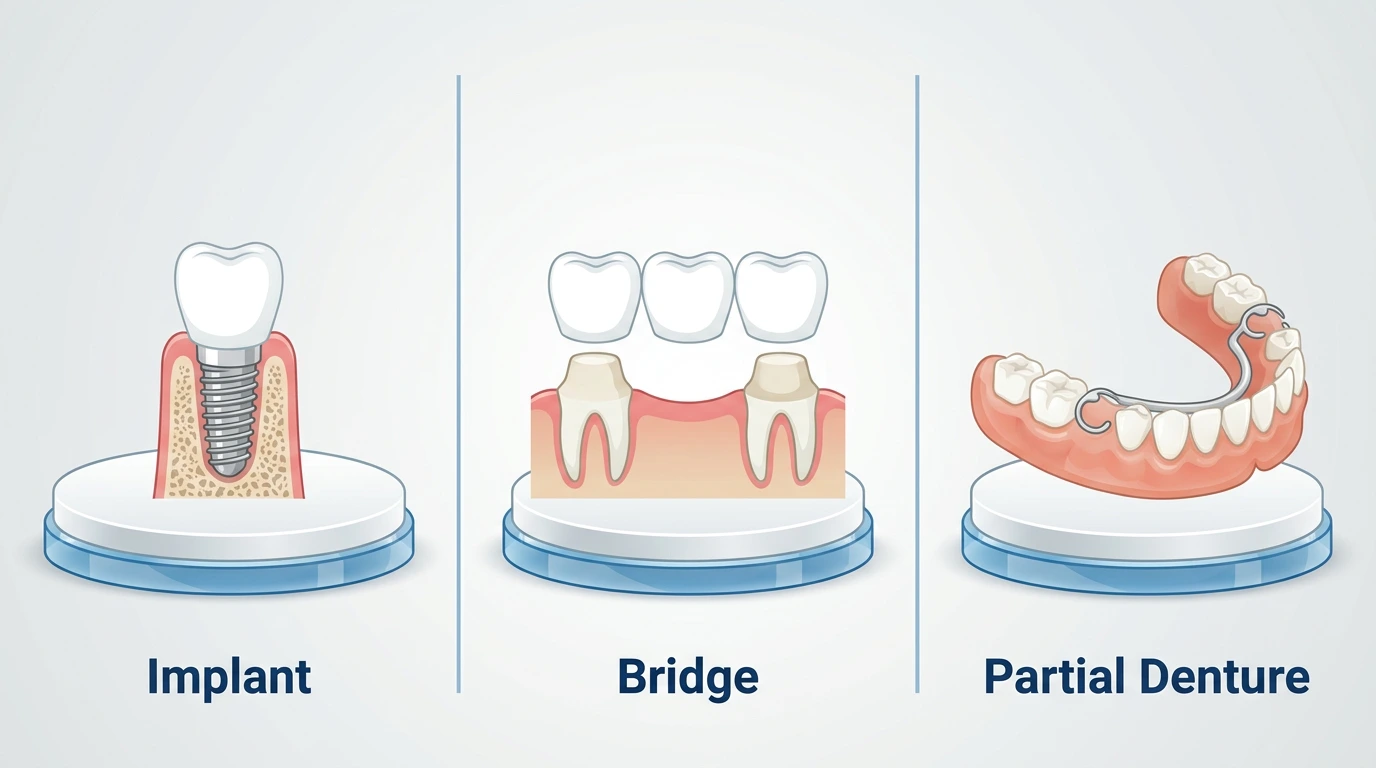
Dental implants typically provide greater durability and bone preservation compared to traditional tooth-supported bridges or removable dentures. While conventional bridges often require replacement after seven to ten years and partial dentures need regular relining, implants stimulate natural jawbone directly, helping prevent facial bone shrinkage over time.

Choosing the right restorative method depends on your health, lifestyle preferences, and the condition of adjacent natural teeth. Reviewing how various treatments perform over time helps clarify your path forward.

Comparing Long-Term Tooth Replacements

  • Dental implant posts: Implants anchor directly in your jaw, stimulating bone density and sparing adjacent healthy teeth from structural reduction.
  • Fixed Bridges: Bridges restore immediate chewing function, but require trimming neighboring enamel and generally carry a shorter functional lifespan before replacement is needed.
  • Removable Dentures: While economical initially, removable appliances rest above the gums and require periodic adjustments as your underlying jawbone naturally recedes.

Because implants function as independent root replacements, they protect neighboring natural teeth from uneven stress and support long-term oral stability.

Side-by-side models of a dental implant, a dental bridge, and a partial denture on display pedestals.

What Dental Implant Longevity Means for You

Choosing to restore missing teeth with implants is an investment in your day-to-day comfort, dietary freedom, and long-term oral well-being. With appropriate maintenance and routine care, the underlying post can remain stable for decades, allowing you to smile and eat with confidence.

At Choi & Lee Family Dentistry, we believe in providing personalized, compassionate care for families throughout our local community. Dr. Diana Lee takes the time to listen to your concerns, answer your questions, and evaluate your oral health from every angle. When you understand how daily habits and regular cleanings impact your restorative outcomes, you can feel confident in your treatment choices.

Whether you need to replace a single failing molar or are looking into comprehensive tooth replacement options, our team is here to guide you. We invite you to contact our team today to arrange a one-on-one consultation and take the next step toward a stable, healthy smile.

A patient in a denim jacket smiles while taking a bite of a red apple, sitting at an outdoor cafe table with a sandwich and an iced drink.
Categories:
Advice you can actually use

Dental Tips and Insights From Our Team

October 8, 2026

What to Expect When Getting a Dental Crown

Restore your smile's strength and beauty with dental crowns, a durable solution for damaged teeth, ensuring lasting comfort and confidence.

READ MORE
September 3, 2026

How Dental Bridges Replace Missing Teeth

Dental bridges effectively replace missing teeth by bridging the gap, restoring function, aesthetics, and preventing oral health issues.

READ MORE
August 6, 2026

Do You Need a Deep Teeth Cleaning?

Deep teeth cleaning treats gum disease by removing plaque and tartar below the gumline, preventing its progression and promoting gum health.

READ MORE

Frequently Asked Questions

1. How long do dental implants last on average?
An implant post can last twenty-five years or longer with proper care. The visible crown attached to the post generally lasts ten to fifteen years before normal chewing wear requires repair or replacement.

2. Can dental implants ever get cavities?
Dental implants cannot get cavities because titanium and porcelain are immune to bacterial tooth decay. However, the surrounding gums and bone can still develop inflammatory infections if plaque is not cleaned away daily.

3. What is the success rate for dental implants?
Modern dental implants have high clinical success rates when bone density, oral hygiene, and tobacco avoidance support healing.

4. How often should I have my dental implants checked?
You should have your implants evaluated by your dentist at least every six months. Regular visits allow Dr. Diana Lee to examine gum health, check bite balance, and clean restorations safely.

5. Does getting an implant placed hurt?
Placing an implant is performed using local anesthesia designed to keep you numb and comfortable. Most patients report only mild tenderness for a few days afterward, which is manageable with over-the-counter medication.

6. What is peri-implantitis and how does it happen?
Peri-implantitis is an inflammatory condition affecting the soft tissue and bone around an implant. It occurs when bacterial plaque accumulates along the gumline, leading to gradual bone loss if left untreated.

7. Will smoking cause my dental implant to fail?
Smoking significantly increases your risk of implant failure by restricting blood circulation in healing gums. Tobacco use slows bone integration and makes surrounding tissues more susceptible to chronic infection.

8. How do I clean underneath an implant-supported crown?
Clean beneath and around your implant crown using soft interdental brushes, specialized floss, or an oral irrigator. These tools help dislodge trapped food particles without scratching or damaging the restorative materials.

9. Can an implant crown be replaced without removing the post?
Yes, an implant crown can be replaced easily without disturbing the integrated titanium post beneath. Dr. Diana Lee can simply unscrew or unseat the worn restoration and attach a new custom crown.

10. Are dental implants removable by the patient?
Single-tooth implants and fixed implant bridges are securely anchored in place and cannot be removed by the patient. Only specific implant-retained snap-in overdentures are designed to be taken out daily for cleaning.


We'reHere for You

We'd love to hear from you. Whether you have questions about our services or are ready to book your next visit, the team at Choi & Lee Family Dentistry in La Verne, CA is here to help you feel at home.

DENTAL EMERGENCY?

We offer same-day emergency appointments to help you find relief fast. Call us immediately at (909) 596-4811

Book An Appointment

Thank you for booking your appointment!

We’ve received your request and will contact you soon to confirm the details. We look forward to seeing you at Choi & Lee Family Dentistry!

Oops! Something went wrong while submitting the form.