Back to Blogs

How Dental Bridges Replace Missing Teeth

Dental bridges effectively replace missing teeth by bridging the gap, restoring function, aesthetics, and preventing oral health issues.

September 3, 2026
2 min read
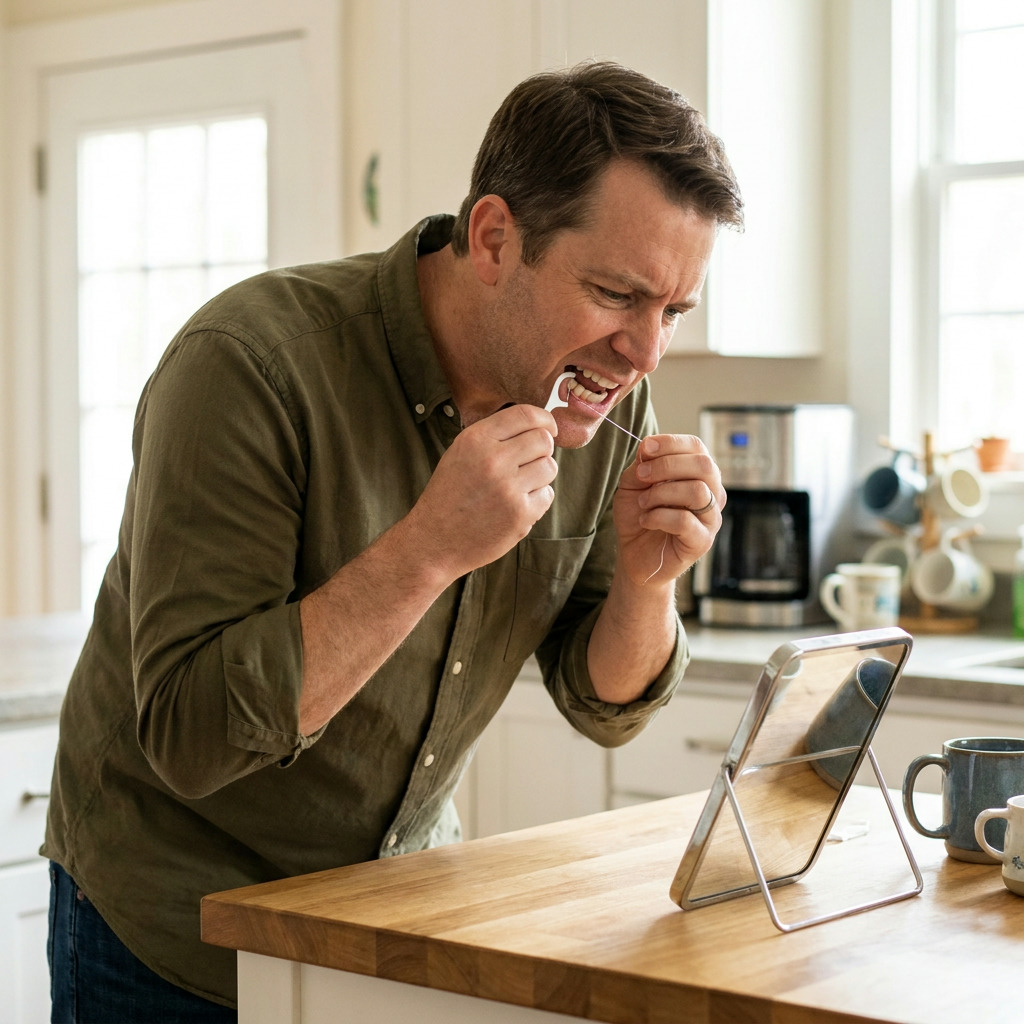
Connor, wearing an olive button-down shirt, leans over a kitchen island, intently flossing his teeth with a white floss pick and a piece of floss, reflected in a small mirror.
Back to Blogs

Heading

Connor, wearing an olive button-down shirt, leans over a kitchen island, intently flossing his teeth with a white floss pick and a piece of floss, reflected in a small mirror.

How Dental Bridges Replace Missing Teeth

Dental bridges effectively replace missing teeth by bridging the gap, restoring function, aesthetics, and preventing oral health issues.

September 3, 2026
2 min read

Restore Your Smile With Bridges

Dental bridges offer an excellent way to replace missing teeth, literally bridging the gap left by one or more absent teeth. These fixed prosthetic devices are anchored to surrounding healthy teeth or dental implants, restoring both function and aesthetics. Patients often find dental bridges to be a comfortable and long-lasting solution for their smiles.

Choosing the right tooth replacement option can feel overwhelming. Many patients seek a solution that looks natural and allows them to eat and speak with confidence. Dr. Kyung Choi often consults with individuals exploring all their possibilities for a complete smile.

Connor, a man in his early 40s, recently visited Choi & Lee Family Dentistry because he was tired of the gap in his smile. He had lost a back molar years ago and wanted to understand his options for a fixed solution.

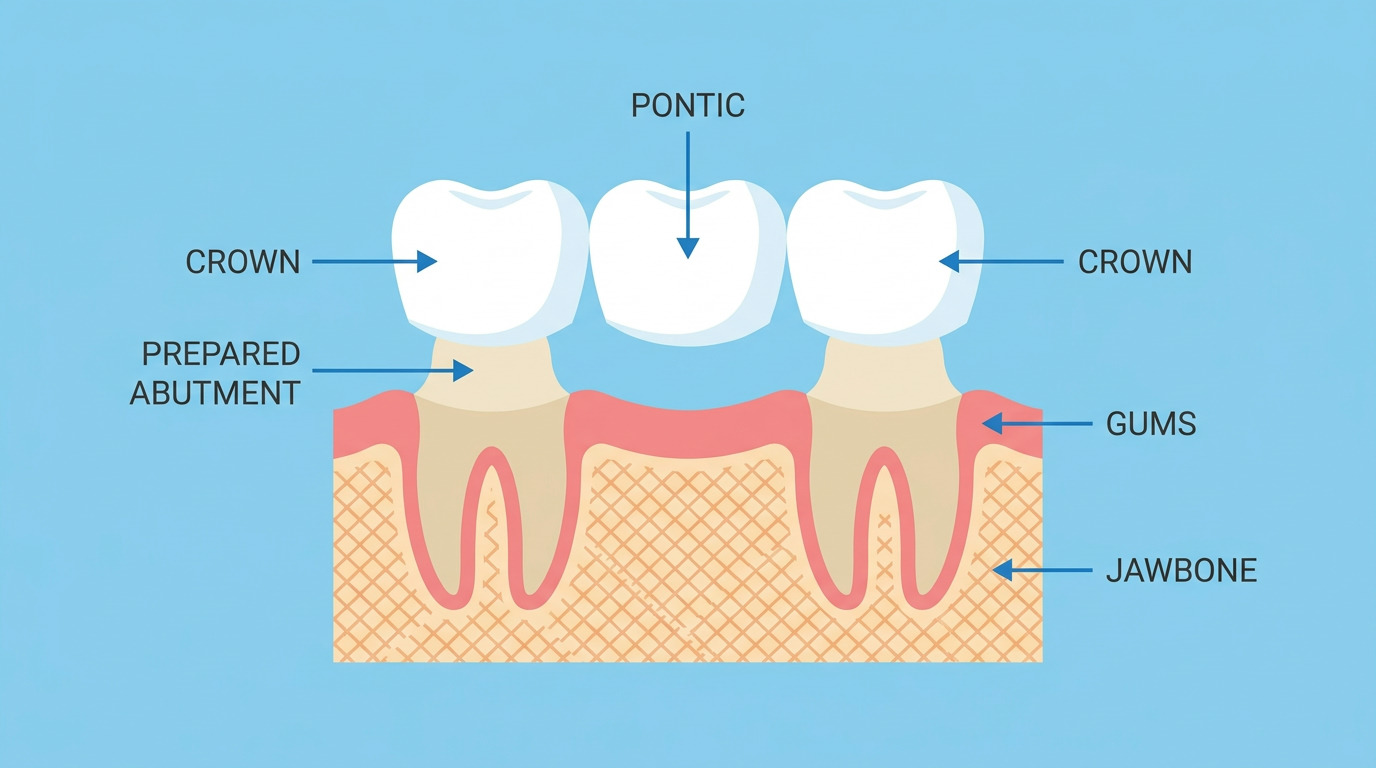
An illustration of a dental bridge showing two crowns on prepared abutments, a central pontic, gums, and jawbone, with labels for each part.

Why Replace Missing Teeth?

Replacing missing teeth is crucial not just for aesthetics but also for maintaining overall oral health. When a tooth is lost, the surrounding teeth can begin to shift into the empty space, leading to bite problems and potential jaw pain. The bone in the area can also start to deteriorate without the stimulation of a tooth root.

Dr. Choi explained to Connor that neglecting a missing tooth could lead to a cascade of issues. "Over time, that small gap can cause significant problems," he advised. Connor admitted he had noticed some slight shifting in his other teeth and occasional discomfort when chewing.

Key reasons to consider tooth replacement include:

  • Preventing shifting teeth: Adjacent teeth can drift, altering your bite.
  • Maintaining jawbone health: The stimulation from chewing helps preserve bone density.
  • Restoring chewing function: Enjoy your favorite foods without difficulty.
  • Improving speech clarity: Missing teeth can sometimes affect pronunciation.
  • Enhancing facial aesthetics: A complete smile boosts confidence and maintains facial structure.
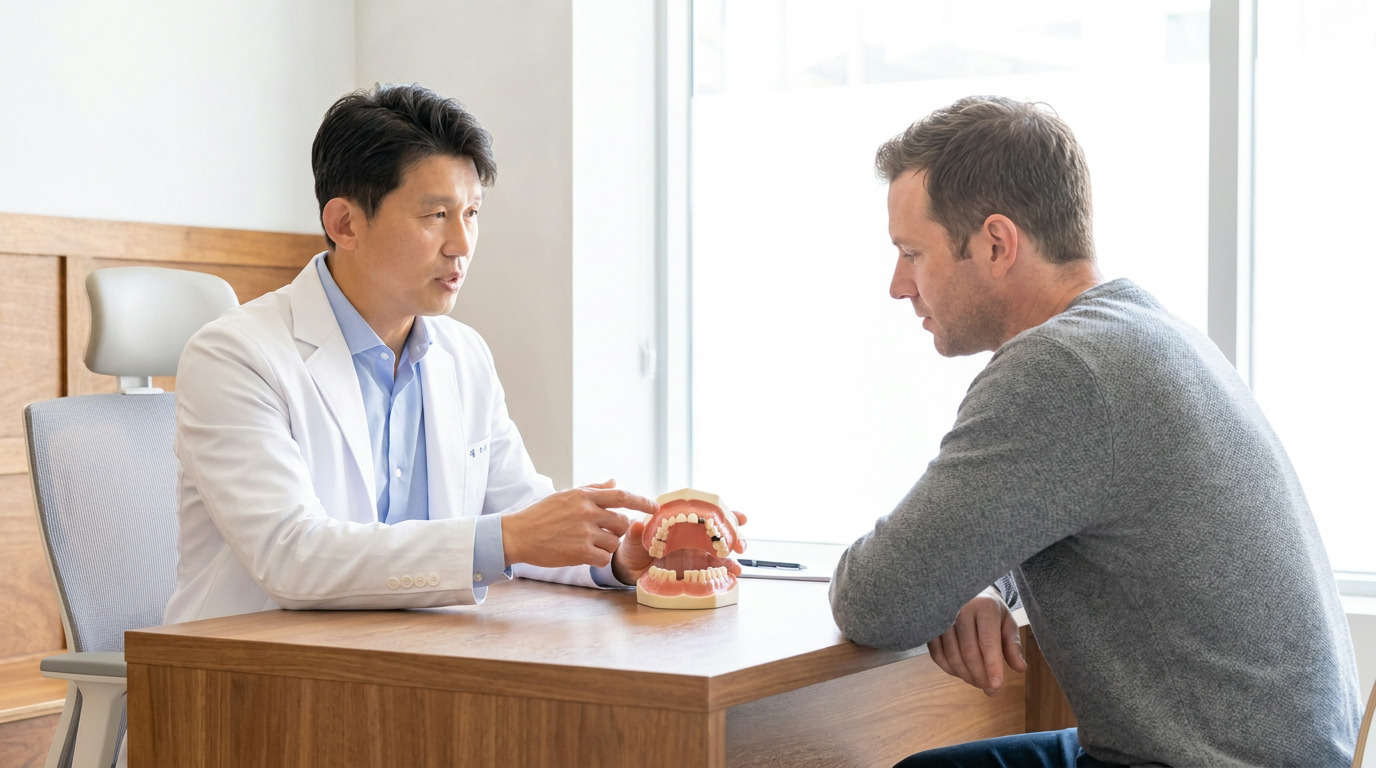
Dr. Kyung Choi, wearing a white lab coat, sits at a wooden desk, pointing to a dental model with missing teeth while speaking to a man in a gray sweater who is listening attentively.

Understanding Dental Bridge Types

Several types of dental bridges are available, each designed for specific situations and needs. The most common type is a traditional bridge, which involves crowning the teeth on either side of the gap. These crowns then support the pontic, or artificial tooth, in the middle. Dr. Choi carefully evaluates each patient to recommend the most suitable option.

Connor was interested to learn about the different designs. He wanted a solution that would be strong and blend seamlessly with his natural teeth. Dr. Choi outlined the primary choices available for patients.

Common types of dental bridges include:

  • Traditional Bridges: Supported by crowns on adjacent teeth, these are very stable.
  • Cantilever Bridges: Used when there is only one natural tooth next to the gap.
  • Maryland Bridges: These use a metal or porcelain framework bonded to the back of adjacent teeth, requiring less alteration of healthy teeth.
  • Implant-Supported Bridges: For multiple missing teeth, these bridges are anchored by dental implants rather than natural teeth.
A large white tooth sculpture stands brightly lit against a green curved wall, while three smaller white tooth sculptures lean on a cracked gray floor against a gray curved wall.

Getting a Dental Bridge: What to Expect

The process of getting a dental bridge typically involves two or more appointments at Choi & Lee Family Dentistry. During the first visit, Dr. Choi prepares the abutment teeth (the teeth that will support the bridge) by gently reshaping them. Impressions are then taken to create a custom bridge that fits perfectly.

Connor appreciated Dr. Choi's thorough explanation of each step. He felt reassured knowing exactly what to expect from start to finish. A temporary bridge is often placed to protect the prepared teeth while the permanent one is fabricated.

At the subsequent appointment, Dr. Choi carefully checks the fit and bite of the permanent bridge. Adjustments are made as needed to ensure comfort and proper function before the bridge is permanently cemented into place. This meticulous approach ensures a long-lasting and comfortable fit.

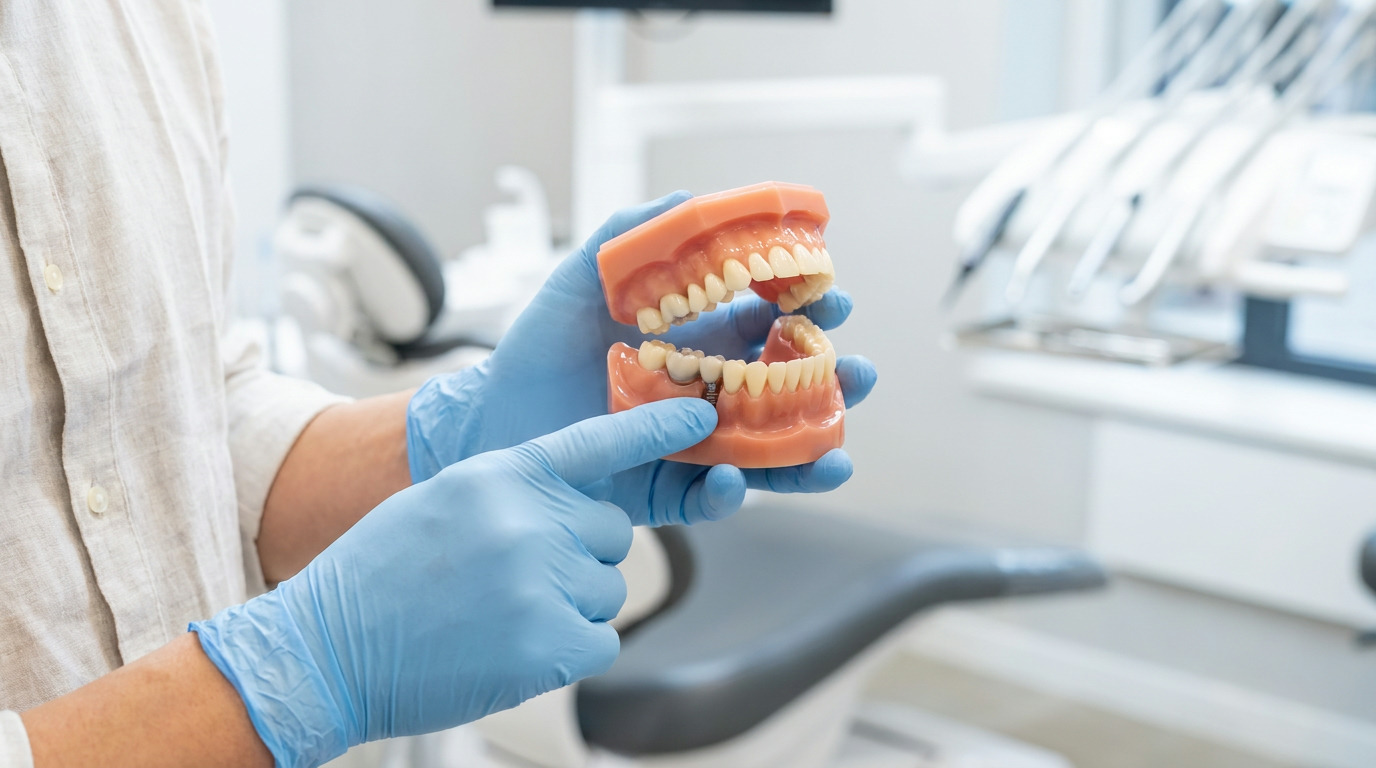
Hands in blue gloves hold a dental model of a full jaw with an implant, pointing to the implant-supported section, in a blurred dental operatory.

Ready for a Complete Smile?

If you are missing teeth and exploring your tooth replacement options, consider a consultation at Choi & Lee Family Dentistry. Dr. Kyung Choi and his team can discuss whether a dental bridge is the right solution for you. Contact our La Verne office today to schedule your personalized evaluation and take the first step towards a confident, complete smile.

Modern reception area at Choi & Lee Family Dentistry in La Verne with comfortable seating, a curved white desk, mountain views through large windows, and natural lighting

Dental Bridges vs. Dental Implants

When considering tooth replacement, patients often weigh the benefits of dental bridges against dental implants. While both are effective solutions, they operate differently and suit various circumstances. Bridges are a good choice when adjacent teeth need crowns anyway, or if a patient prefers a less invasive procedure than an implant. Dr. Choi always discusses these options comprehensively with his patients.

Connor specifically asked about dental implants, having heard about their benefits. Dr. Choi explained that implants offer a stand-alone solution, preserving adjacent teeth. However, implants involve a surgical procedure and a longer healing period.

Key differences to consider:

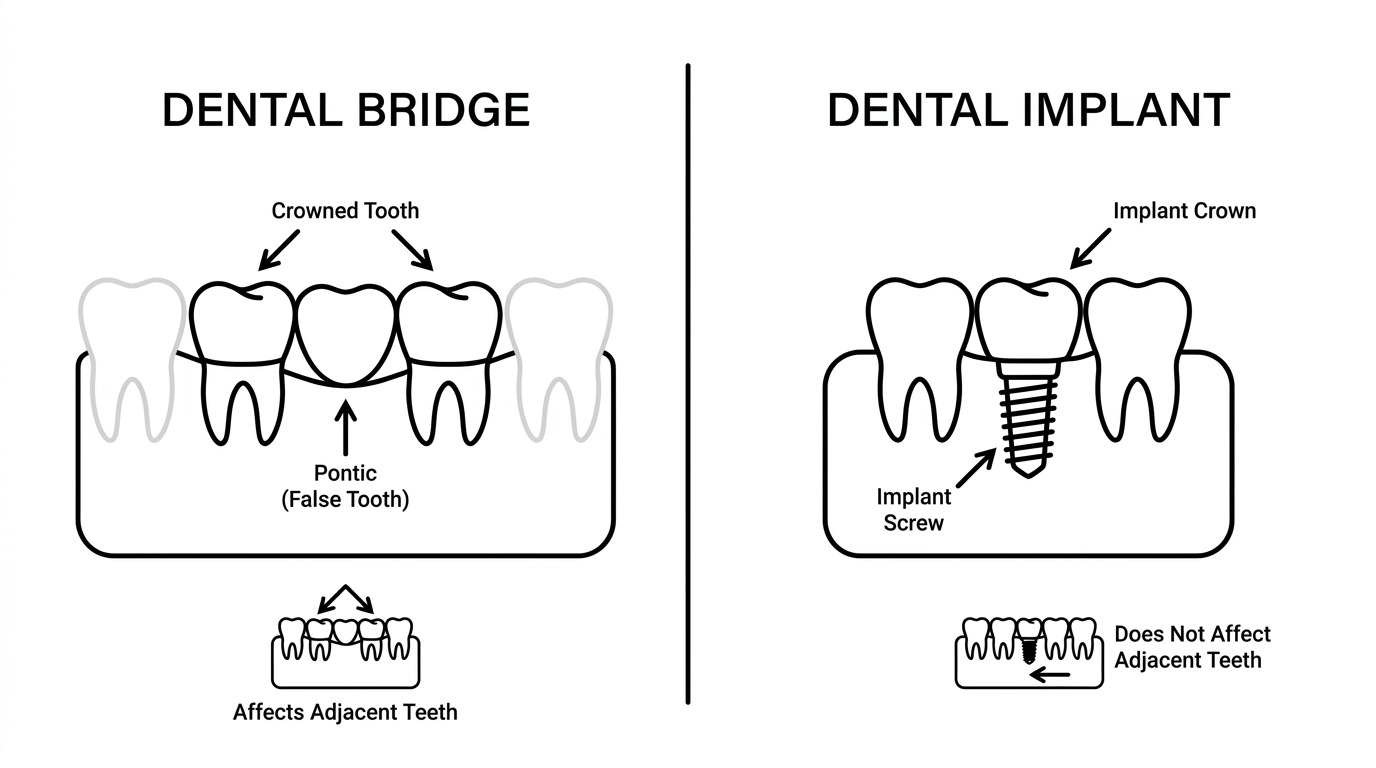
  • Adjacent Teeth: Bridges require modification of neighboring teeth, while implants do not affect them.
  • Bone Health: Dental implants stimulate the jawbone, helping to prevent bone loss. Bridges do not directly stimulate the bone beneath the missing tooth.
  • Durability: Implants often have a longer lifespan, frequently lasting a lifetime with proper care. Bridges typically last 5 to 15 years before needing replacement.
  • Procedure Time: Bridges generally require fewer appointments over a shorter period. Implants involve a longer healing process.
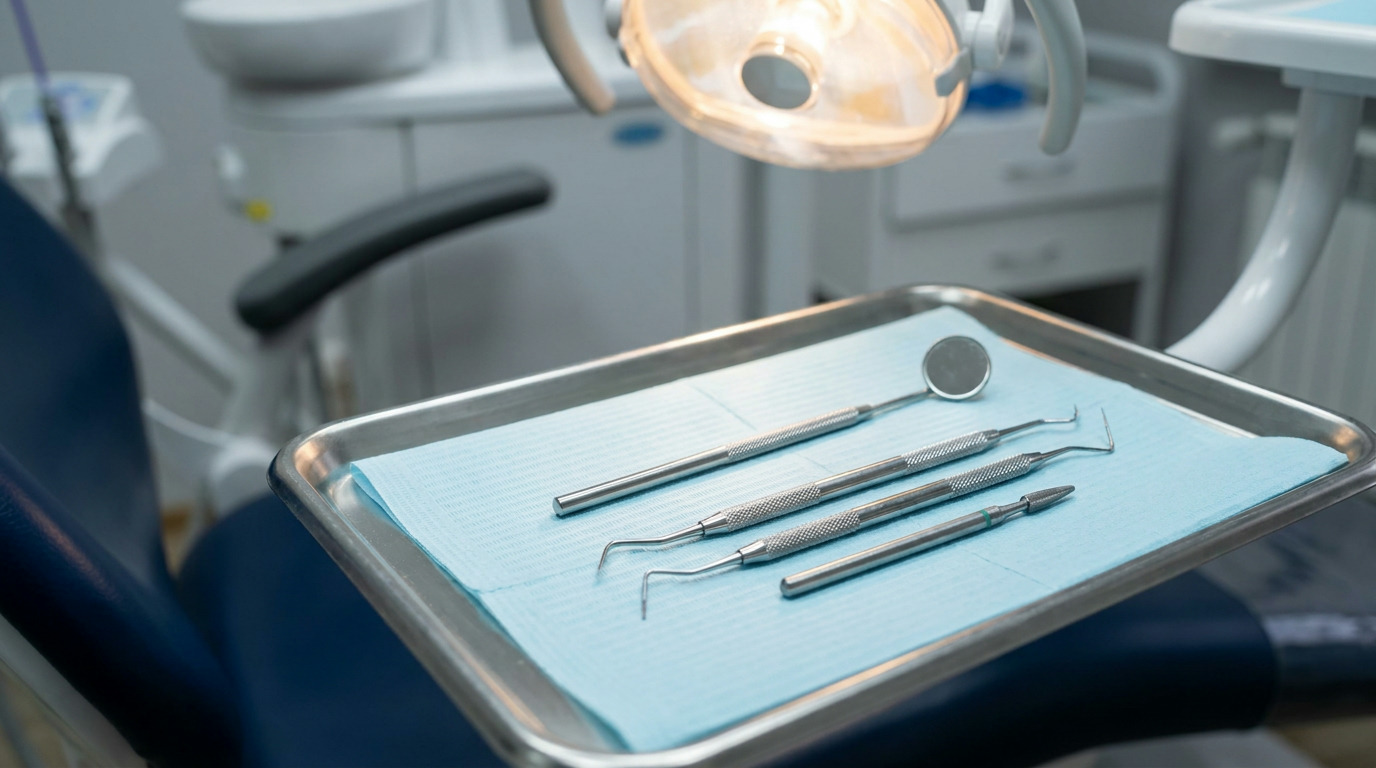
A metal tray holds four gleaming dental instruments, including a mirror, on a light blue mat, positioned in front of a blue dental chair under a bright overhead light in a dental operatory.

Candidacy for Dental Bridges

Ideal candidates for dental bridges typically have one or more missing teeth and healthy natural teeth on either side of the gap. These adjacent teeth must be strong enough to support the bridge. Good overall oral hygiene and stable gum health are also crucial for the success and longevity of a bridge. Dr. Kyung Choi assesses each patient's unique oral structure.

Connor's remaining teeth were strong and healthy, making him an excellent candidate for a traditional bridge. He also maintained good oral hygiene habits, which Dr. Choi noted would contribute significantly to the bridge's success. Patients with significant bone loss in the jaw might need additional procedures before a bridge can be placed, or might be better suited for implant-supported options.

Occasionally, if the supporting teeth are not strong enough or if there is insufficient bone for an implant, other tooth replacement options might be explored. Dr. Choi ensures every patient receives personalized recommendations based on their specific dental health.

Rachel sits on a wooden park bench, happily biting into a red apple, wearing a yellow cardigan and white shirt, with lush green foliage in the background.

Caring for Your New Bridge

Proper care and maintenance are essential for extending the life of your dental bridge. Just like natural teeth, bridges require diligent daily brushing and flossing to prevent plaque buildup and gum disease. Special attention must be paid to cleaning under the pontic, the artificial tooth. Dr. Choi provides detailed instructions to all his patients.

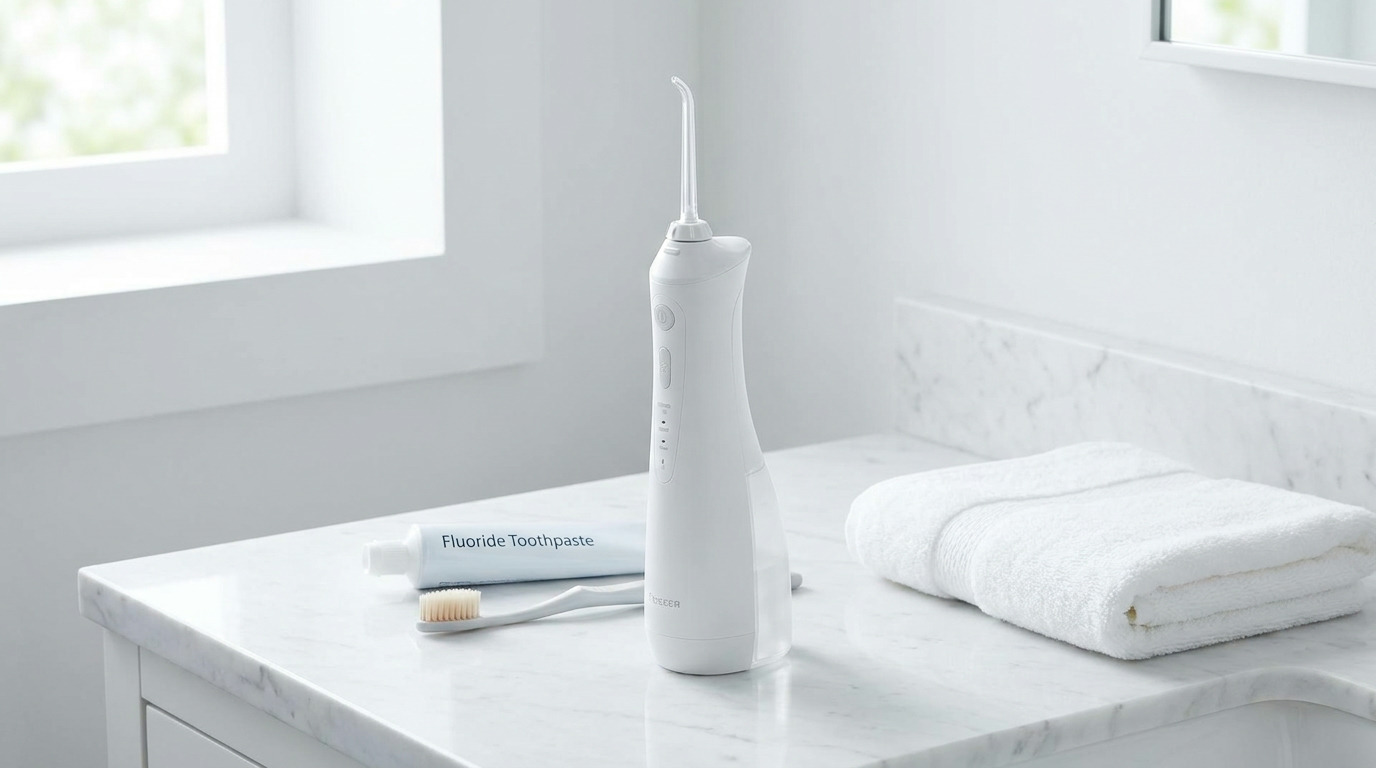
Connor wanted to ensure his investment would last as long as possible. He asked about specific cleaning techniques. Dr. Choi recommended using a floss threader or a water flosser to clean the areas around and under the bridge effectively. Regular dental check-ups and professional cleanings are also vital.

Maintenance tips for your dental bridge:

  • Brush twice daily: Use a soft-bristled brush and fluoride toothpaste.
  • Floss daily: Employ a floss threader or water flosser to clean beneath the bridge.
  • Avoid hard foods: Chewing ice, hard candy, or sticky foods can damage the bridge.
  • Regular dental visits: Schedule appointments with Dr. Choi for professional cleaning and examinations at least twice a year.
  • Address issues promptly: Contact Choi & Lee Family Dentistry immediately if you notice any discomfort, looseness, or damage to your bridge.
A black and white line art illustration compares a dental bridge and a dental implant, showing a bridge with a false tooth supported by crowned adjacent teeth, and an implant with a screw and crown replacing a single tooth.

Enjoying a Complete Smile

For many patients like Connor, choosing a dental bridge brings a renewed sense of confidence and comfort. The ability to eat favorite foods without reservation and speak clearly without self-consciousness significantly improves their daily lives. A well-fitted bridge integrates seamlessly into the mouth, becoming a natural part of their smile.

Connor left Choi & Lee Family Dentistry with a restored smile and a newfound confidence. He was thrilled with how natural his new bridge looked and felt, a testament to Dr. Choi's meticulous care. He could now enjoy his meals more fully and no longer felt the need to hide his smile.

This journey from a missing tooth to a complete, healthy smile is a rewarding experience for both patients and the dental team. With diligent care, a dental bridge provides a stable and aesthetically pleasing solution for years to come.

It’s a powerful reminder of how modern dentistry can transform lives.

A white water flosser, a tube of fluoride toothpaste, a toothbrush, and a folded white towel sit on a white marble bathroom counter with a window in the background.
Categories:
Advice you can actually use

Dental Tips and Insights From Our Team

August 6, 2026

Do You Need a Deep Teeth Cleaning?

Deep teeth cleaning treats gum disease by removing plaque and tartar below the gumline, preventing its progression and promoting gum health.

READ MORE
July 10, 2026

Gum Bumps: Abscess, Cyst, or Something Else?

Discover common gum bump causes and why professional dental care from Dr. Kyung Choi is crucial for peace of mind.

READ MORE
July 9, 2026

Permanent Tooth Replacement With Dental Implants

Dental implants provide a stable, permanent solution for missing teeth, restoring function, aesthetics, and confidence for many patients.

READ MORE

Frequently Asked Questions

1. What exactly is a dental bridge?
A dental bridge is a fixed dental restoration used to replace one or more missing teeth. It consists of artificial teeth (pontics) held in place by dental crowns cemented onto natural teeth or dental implants on either side of the gap. He ensures it blends seamlessly with your natural teeth.

2. How long do dental bridges typically last?
With proper care and good oral hygiene, dental bridges can last anywhere from 5 to 15 years, and sometimes even longer. Regular dental check-ups and professional cleanings significantly contribute to their longevity, as Dr. Kyung Choi often explains.

3. Does getting a dental bridge hurt?
The procedure for getting a dental bridge is typically performed under local anesthesia, so you should not feel any pain during the treatment. Some patients may experience mild sensitivity or discomfort after the procedure, which Dr. Kyung Choi can help manage.

4. Can a dental bridge replace multiple missing teeth?
Yes, dental bridges can be designed to replace multiple missing teeth, not just a single one. The number of artificial teeth in the bridge will depend on the size of the gap and the strength of the supporting teeth or implants. He will assess your specific needs.

5. How do I clean under my dental bridge?
Cleaning under a dental bridge is crucial for preventing plaque buildup and gum disease. Dr. Kyung Choi recommends using a floss threader, interdental brush, or water flosser to clean the area beneath the pontic effectively.

6. What are the benefits of choosing a dental bridge?
Dental bridges restore your smile's appearance, improve chewing and speaking abilities, and prevent remaining teeth from shifting. They also help maintain the natural shape of your face. Dr. Kyung Choi helps patients regain confidence with this fixed solution.

We'reHere for You

We'd love to hear from you. Whether you have questions about our services or are ready to book your next visit, the team at Choi & Lee Family Dentistry in La Verne, CA is here to help you feel at home.

DENTAL EMERGENCY?

We offer same-day emergency appointments to help you find relief fast. Call us immediately at (909) 596-4811

Book An Appointment

Thank you for booking your appointment!

We’ve received your request and will contact you soon to confirm the details. We look forward to seeing you at iSmile Dental Care!

Oops! Something went wrong while submitting the form.