1. What is a deep teeth cleaning?
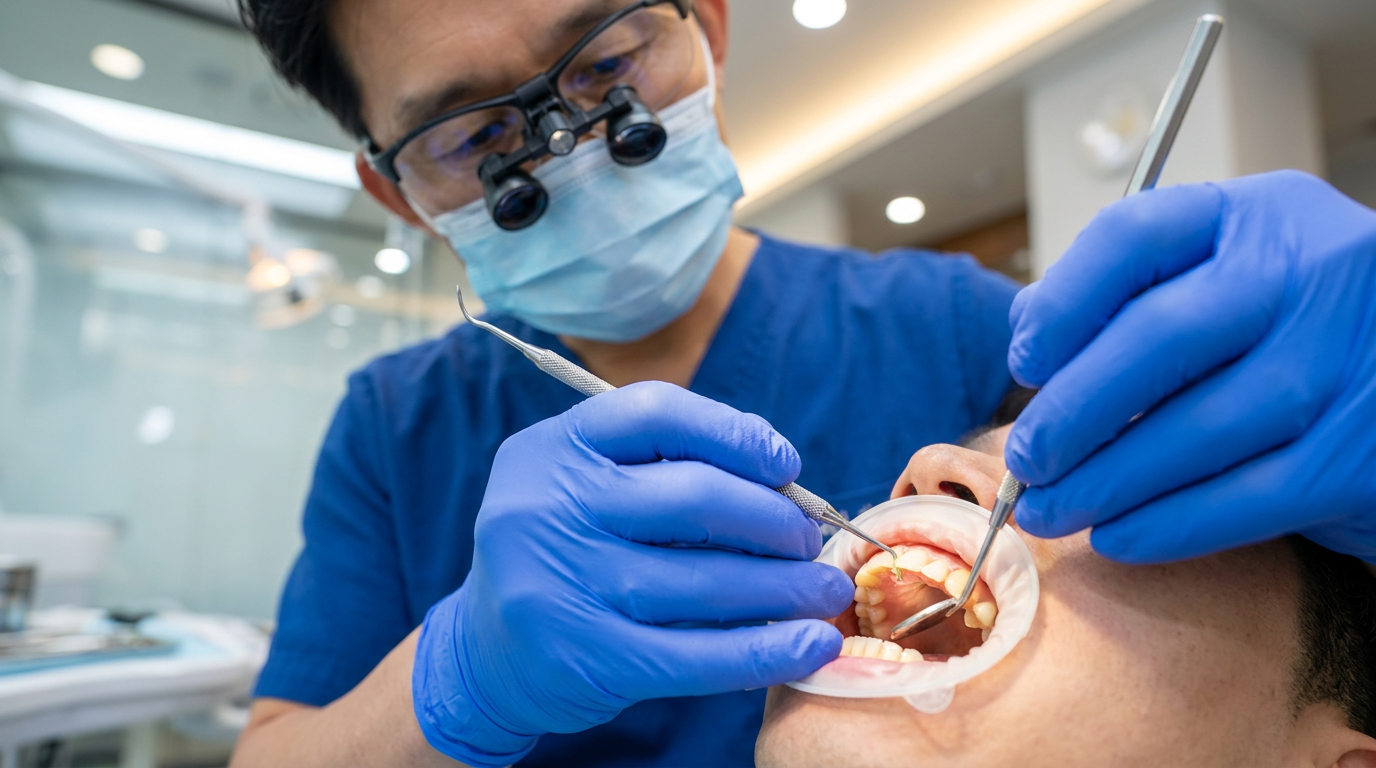
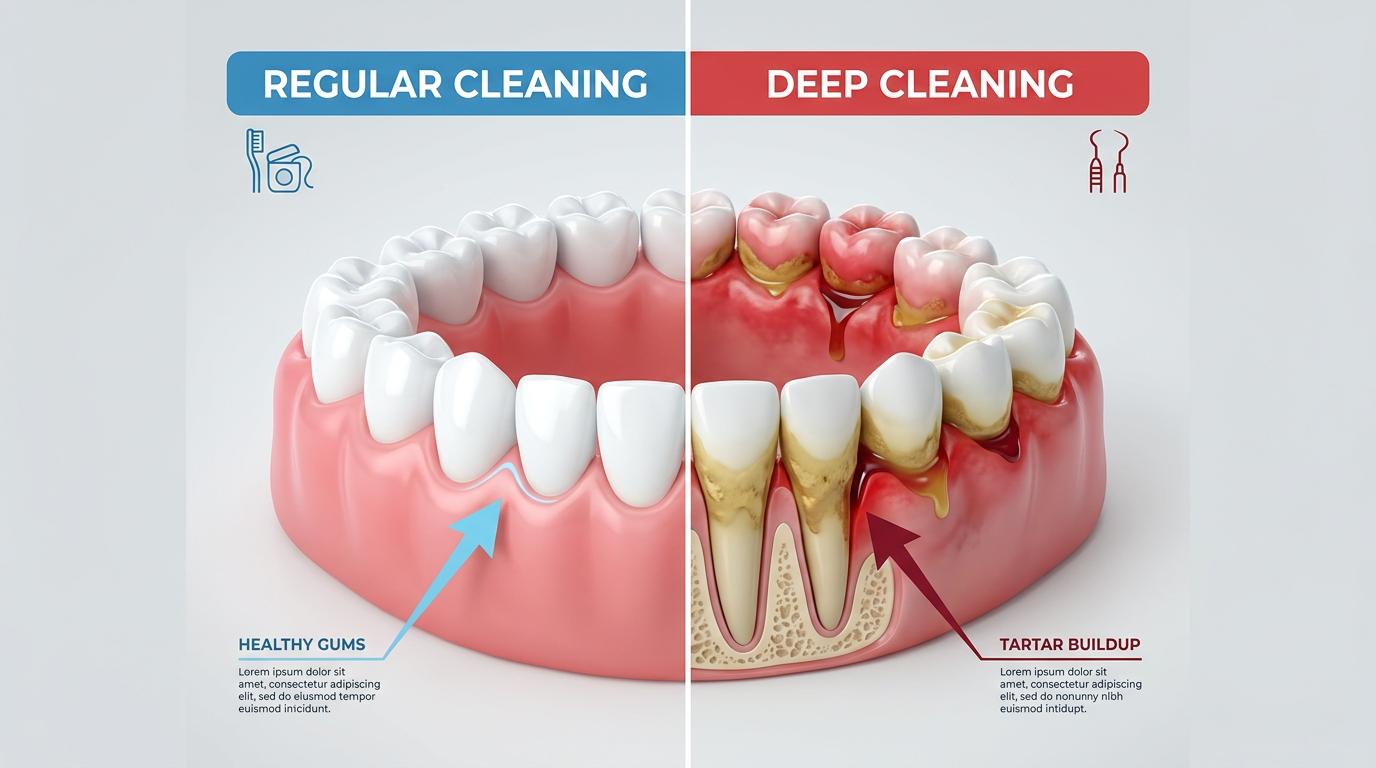
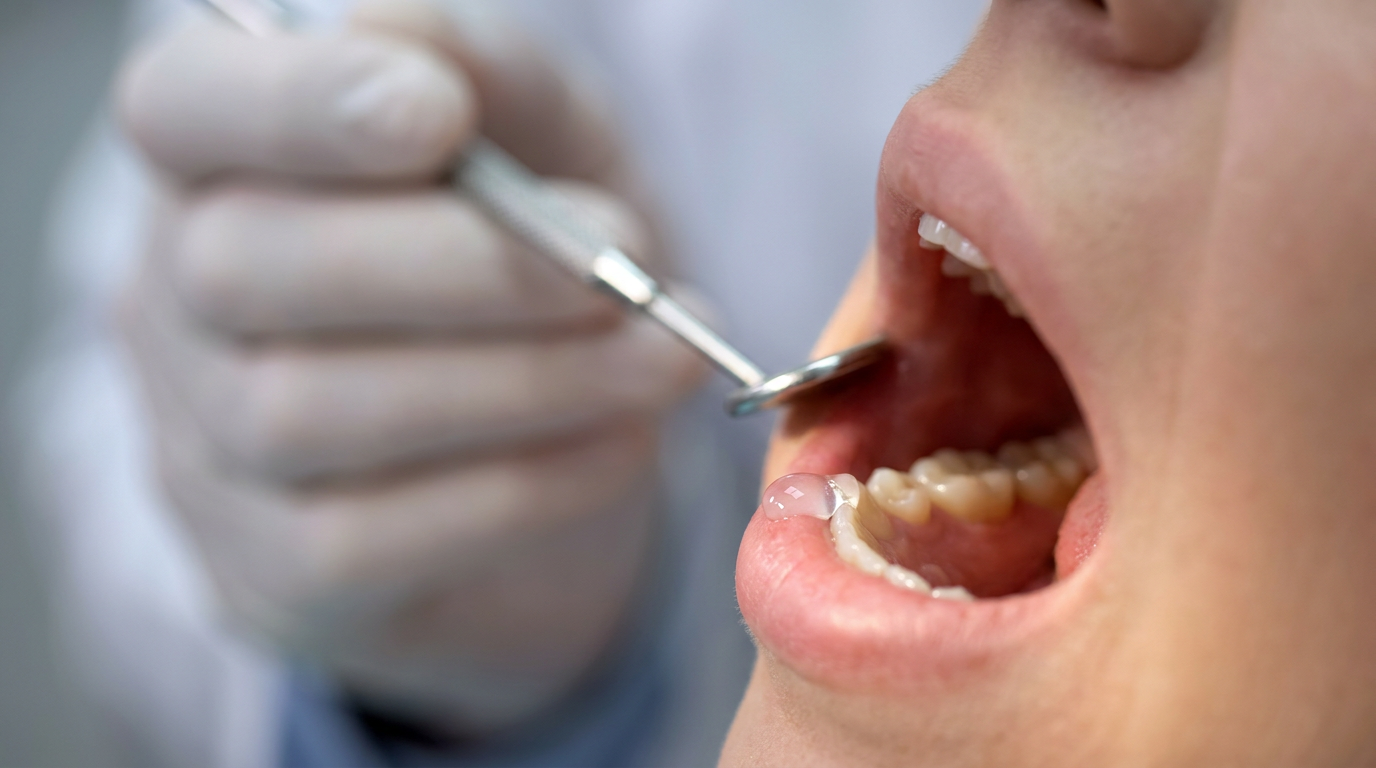
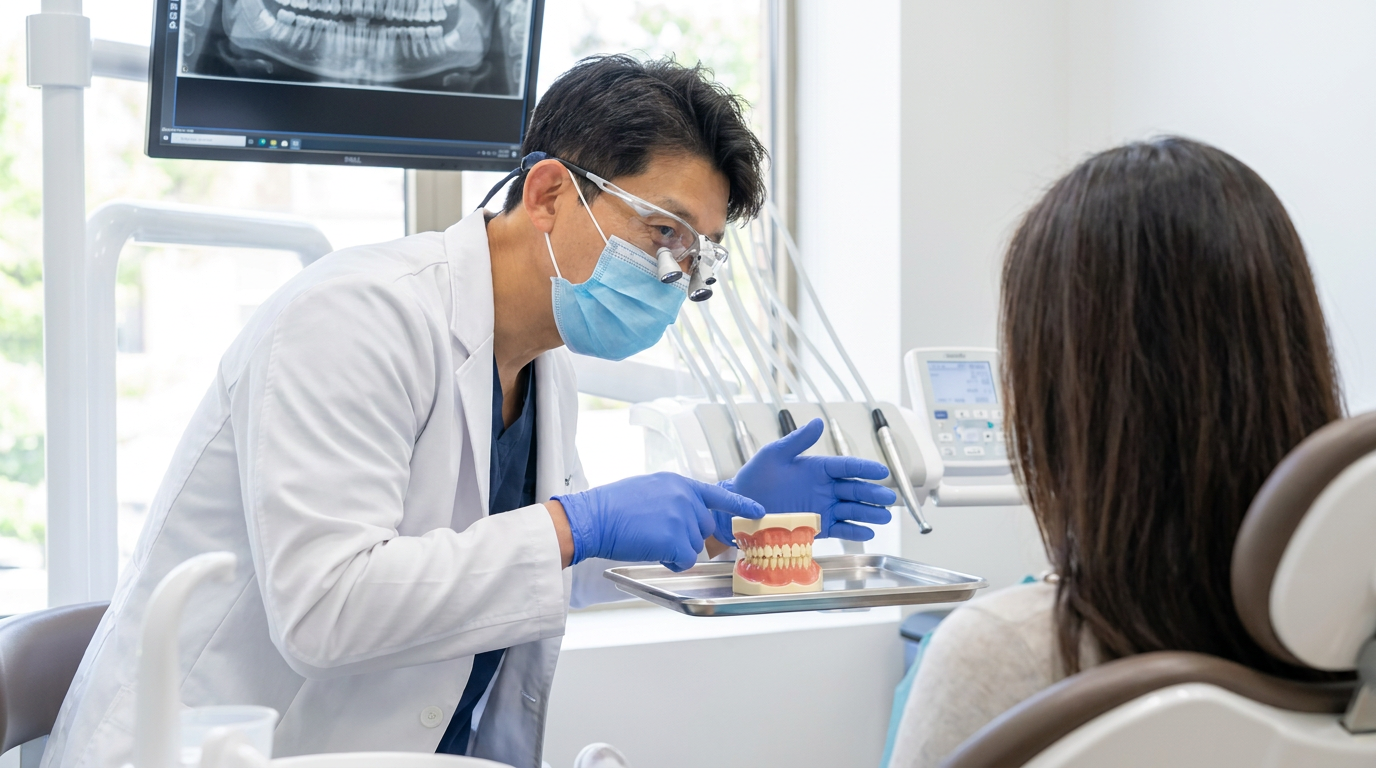
A deep teeth cleaning, also called scaling and root planing, is a non-surgical procedure to treat gum disease by removing plaque and tartar from below the gumline and smoothing tooth roots.
2. How do I know if I need a deep cleaning?
Dr. Kyung Choi will assess your gum health, including pocket depths and signs of inflammation, to determine if a deep cleaning is necessary.
3. Is deep cleaning painful?
Local anesthetic is typically used during deep cleanings at Choi & Lee Family Dentistry to ensure you remain comfortable and pain-free throughout the procedure.
4. How long does a deep cleaning take?
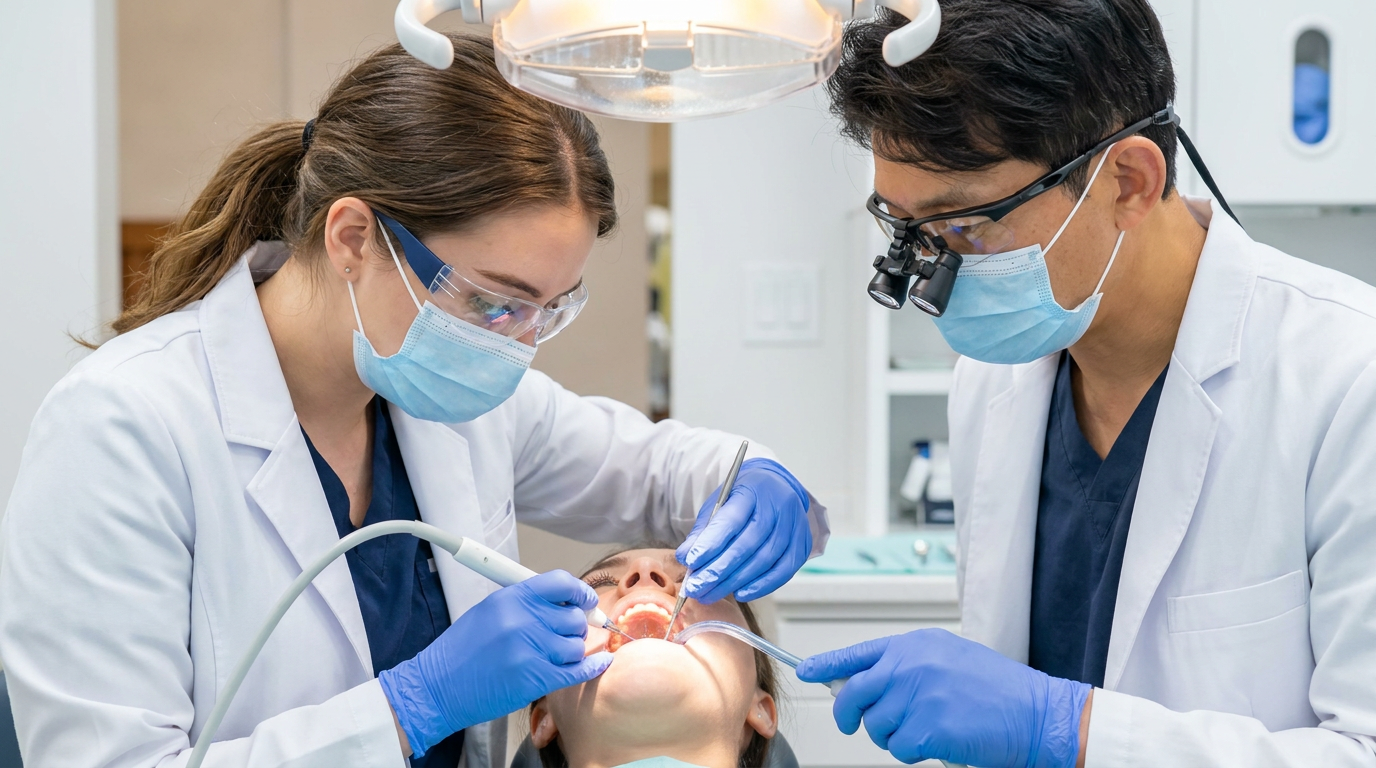
A deep cleaning is usually done in two appointments, with each session lasting about 60-90 minutes, allowing Dr. Choi to thoroughly clean one side of your mouth.
5. What should I avoid after a deep cleaning?
After a deep cleaning, you should avoid very hot, cold, spicy, or hard foods for a few days to minimize discomfort and aid healing.
6. Can deep cleaning reverse gum disease?
While deep cleaning can effectively stop the progression of gum disease, it cannot fully reverse all damage. It helps stabilize your condition.
7. Will my gums bleed after deep cleaning?
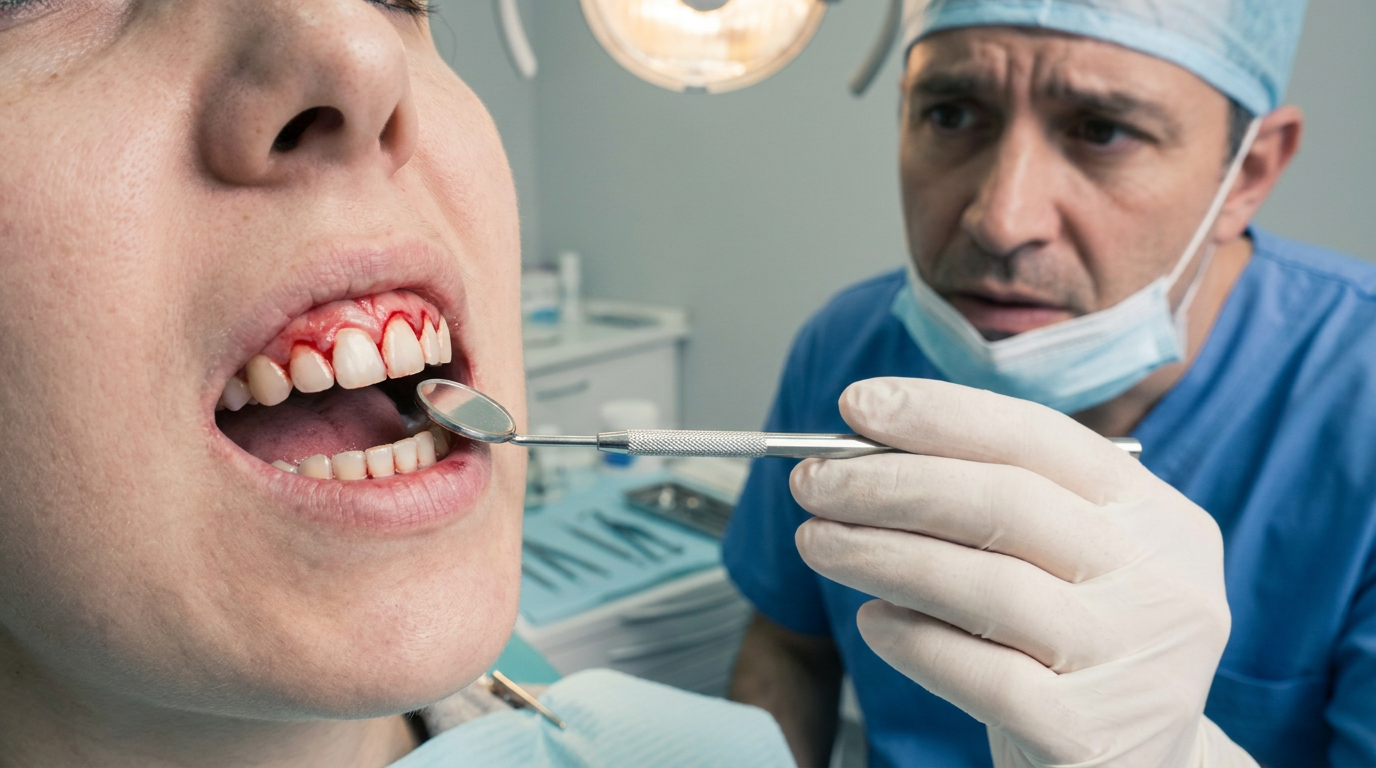
It is common to experience some minor gum bleeding or tenderness for a few days following a deep cleaning. This is a normal part of the healing process.
8. How often do I need a deep cleaning?
The frequency of deep cleanings depends on your gum health. Dr. Kyung Choi will recommend a personalized recall schedule, often for periodontal maintenance cleanings.
9. What if I don't get a deep cleaning when recommended?
Delaying a recommended deep cleaning can allow gum disease to progress, potentially leading to bone loss, receding gums, and eventual tooth loss.
10. Does insurance cover deep teeth cleaning?
Many dental insurance plans offer coverage for deep teeth cleaning, though coverage levels vary. Our La Verne team can help you understand your benefits.

.png)