1. - Q: Can I remove tartar from my teeth at home?
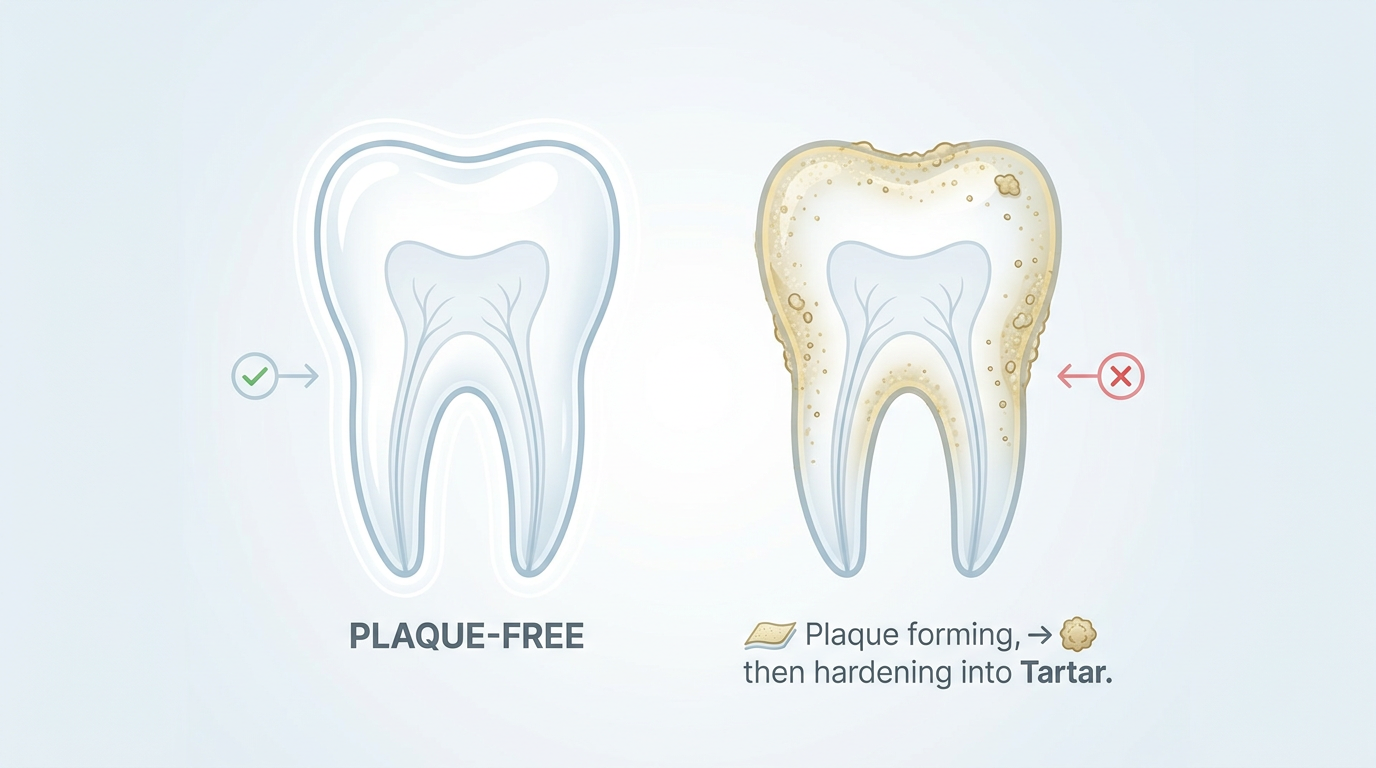
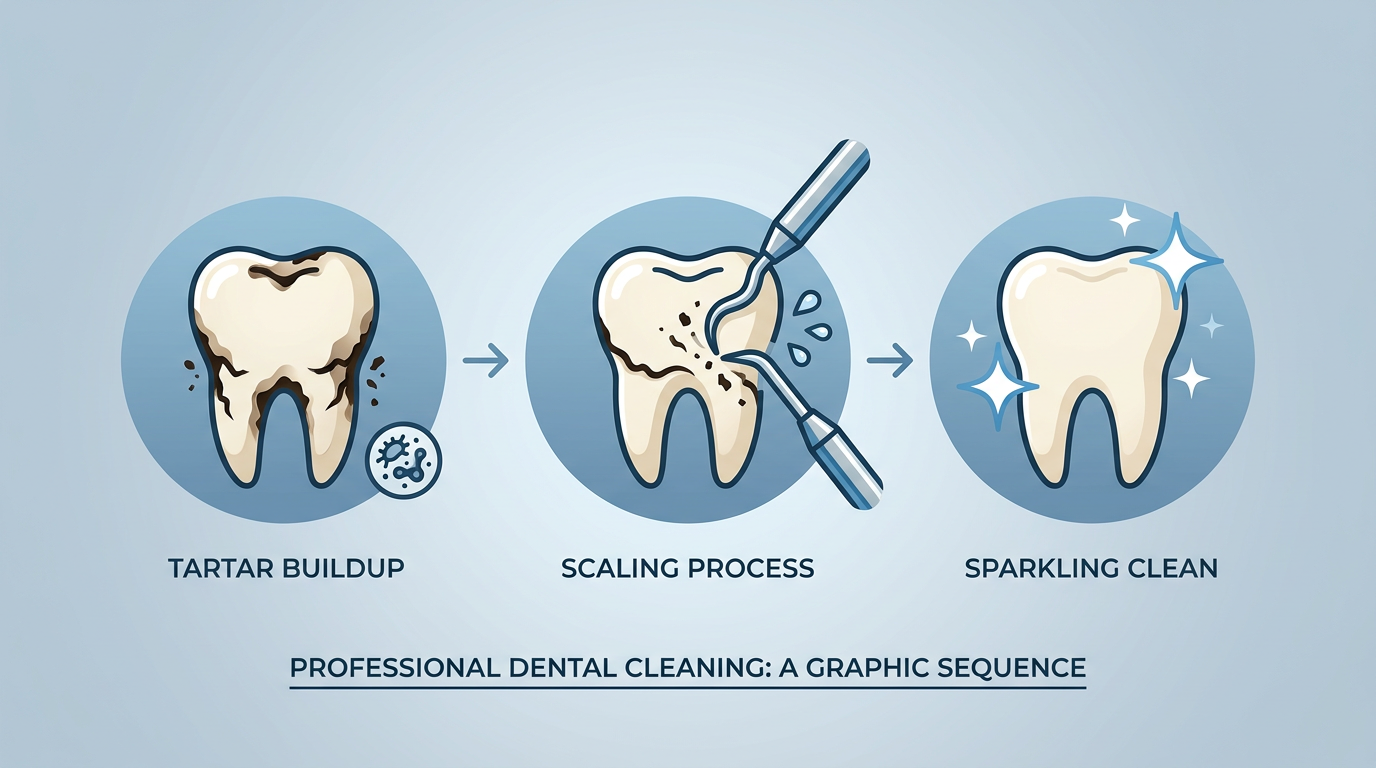
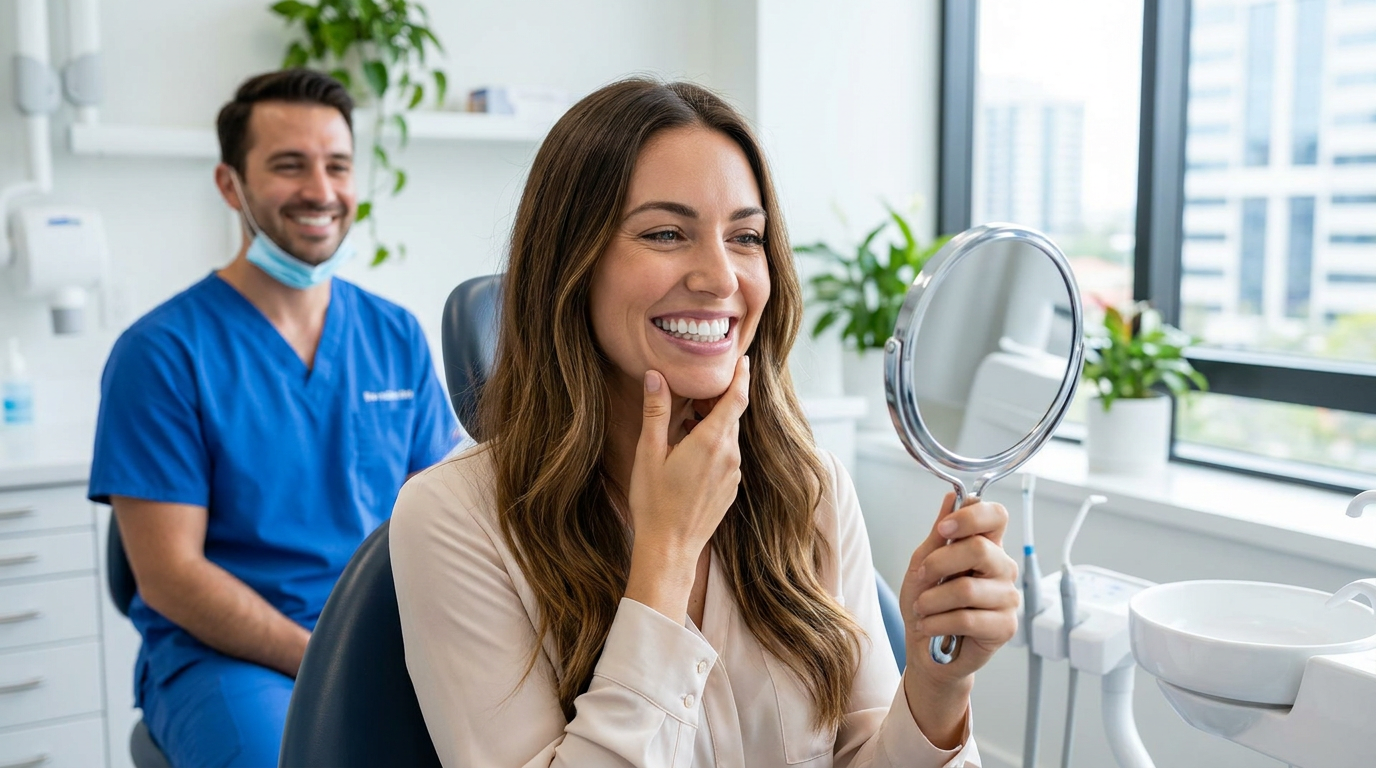
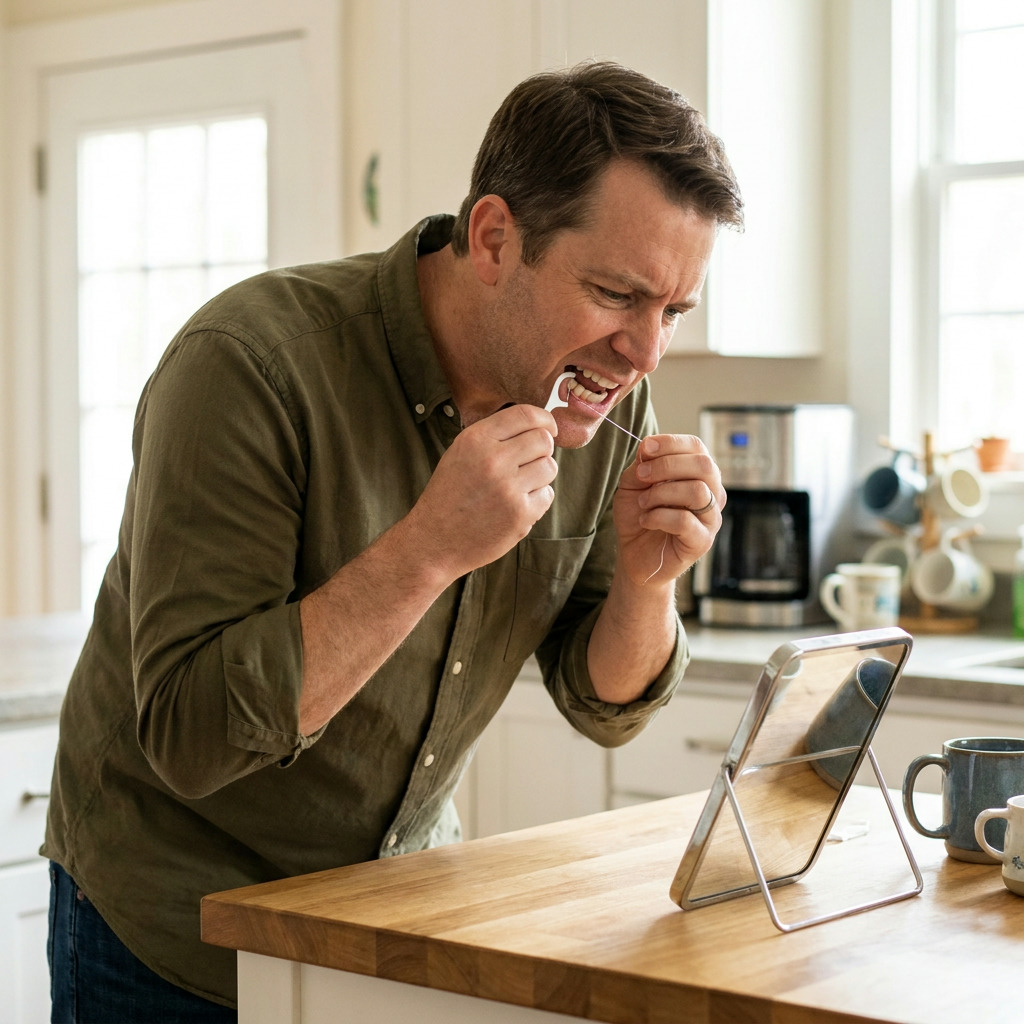
A: Unfortunately, no. Once plaque hardens into tartar (calculus), it forms a strong bond to your tooth enamel that cannot be removed by brushing, flossing, or over-the-counter products. Only a professional dental cleaning using specialized instruments can effectively and safely remove tartar.
2. - Q: Does professional tartar removal hurt?
A: Most patients find professional cleanings, including tartar removal, to be comfortable. You might experience some pressure or scraping sensations, but it shouldn't be painful. If you have sensitive teeth or significant buildup, we can discuss options to ensure your comfort, such as local anesthetic for more in-depth cleanings.
3. - Q: How often do I need to get my teeth cleaned to remove tartar?
A: For most individuals, we recommend a professional dental cleaning every six months. However, if you have a history of significant tartar buildup, gum disease, or other risk factors, Dr. Choi might recommend more frequent visits, such as every three or four months, to maintain optimal oral health.
4. - Q: Is tartar removal covered by dental insurance?
A: Many dental insurance plans provide coverage for routine dental cleanings, which include tartar removal, as part of their preventive care benefits. Coverage can vary, so we recommend checking with your specific insurance provider or speaking with our administrative team, who can help you understand your benefits.
5. - Q: What happens if I don't get tartar removed?
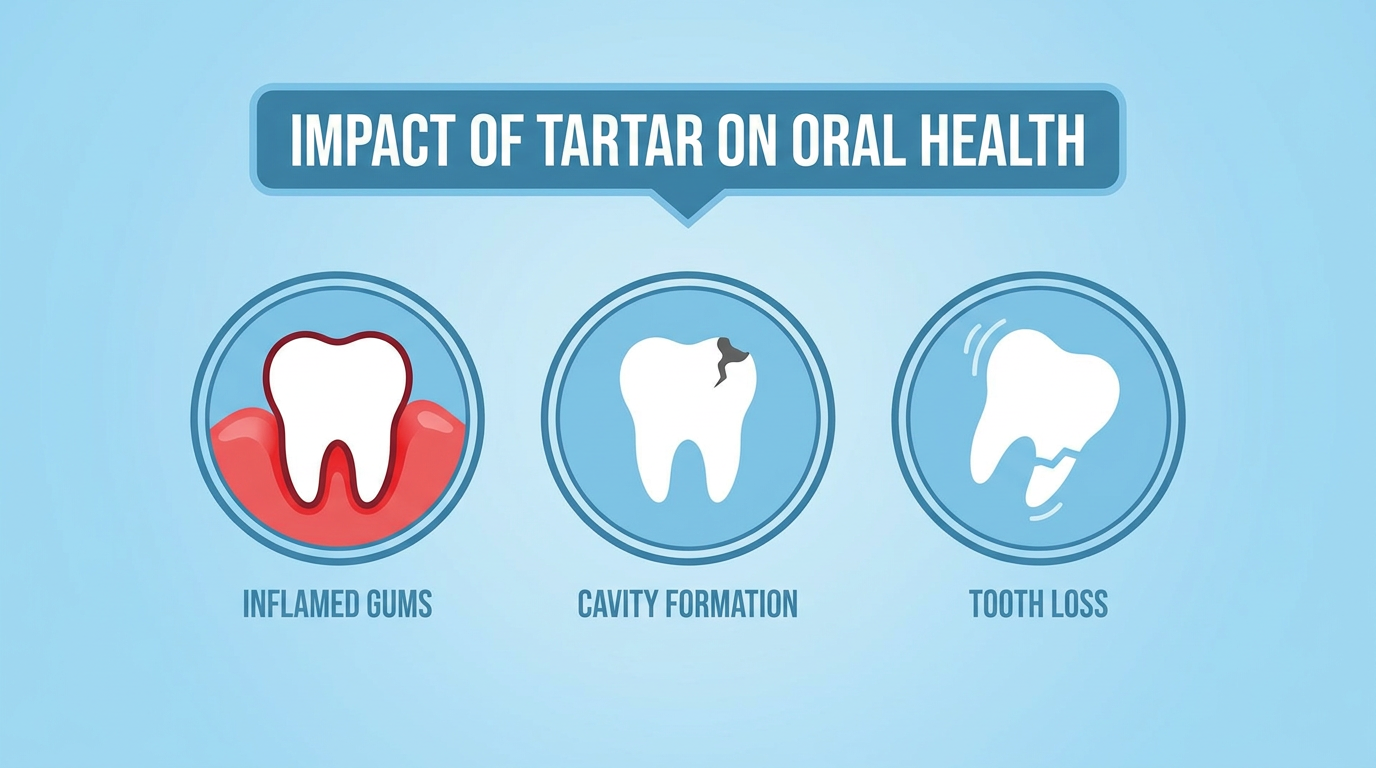
A: If tartar is not removed, it can lead to several problems. It creates a rough surface for more plaque to adhere, contributes to bad breath, and significantly increases your risk of gum disease (gingivitis, and later periodontitis) and cavities. Untreated gum disease can eventually lead to tooth loss.
6. - Q: Can certain foods or drinks cause more tartar buildup?
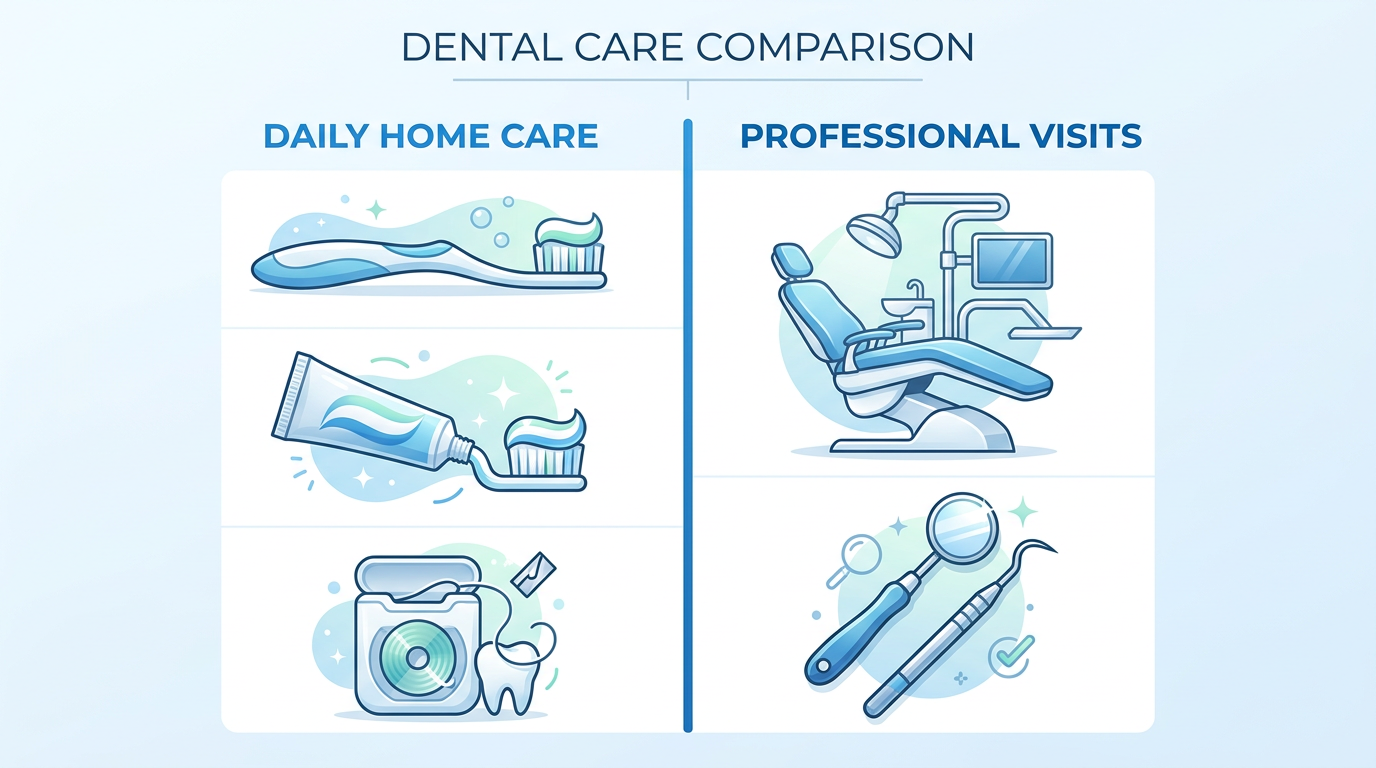
A: While all food and drink can contribute to plaque formation if not cleaned away, sugary and starchy foods provide fuel for the bacteria that create plaque. Acidic drinks can also soften enamel, making it easier for plaque to stick. Maintaining a balanced diet and consistent oral hygiene are key to minimizing buildup.

.png)