Back to Blogs

Dental Bridges: Restore Your Smile and Chew Easily

Dental bridges offer a fixed solution for missing teeth, restoring function and aesthetics to your smile while preventing further oral health issues.

July 9, 2026
2 min read
Zoe, wearing a soft pink blouse, carefully bites into a green apple at a garden patio table.
Back to Blogs

Heading

Zoe, wearing a soft pink blouse, carefully bites into a green apple at a garden patio table.

Dental Bridges: Restore Your Smile and Chew Easily

Dental bridges offer a fixed solution for missing teeth, restoring function and aesthetics to your smile while preventing further oral health issues.

July 9, 2026
2 min read

Why Replace Missing Teeth?

Losing a tooth can affect more than just your smile; it dramatically impacts daily comfort and oral health. Dental bridges offer a fixed, reliable solution for replacing one or more missing teeth, seamlessly blending with your natural teeth. This keeps your remaining teeth from shifting and helps maintain your facial structure.

When a tooth is lost, the surrounding teeth can begin to drift, leading to misalignment and bite problems. Dr. Kyung Choi often advises patients that addressing these gaps promptly is crucial for long-term oral health. Neglecting a missing tooth can sometimes lead to more complex issues down the line.

Zoe, a woman in her early 40s, recently visited Choi & Lee Family Dentistry with concerns about a missing molar. She found chewing difficult and felt self-conscious about the gap. Her goal was to restore both function and the appearance of her smile.

Zoe, sits at a kitchen table, looking thoughtfully at a half-eaten apple, a slight expression of discomfort on her face.

What Are Dental Bridges?

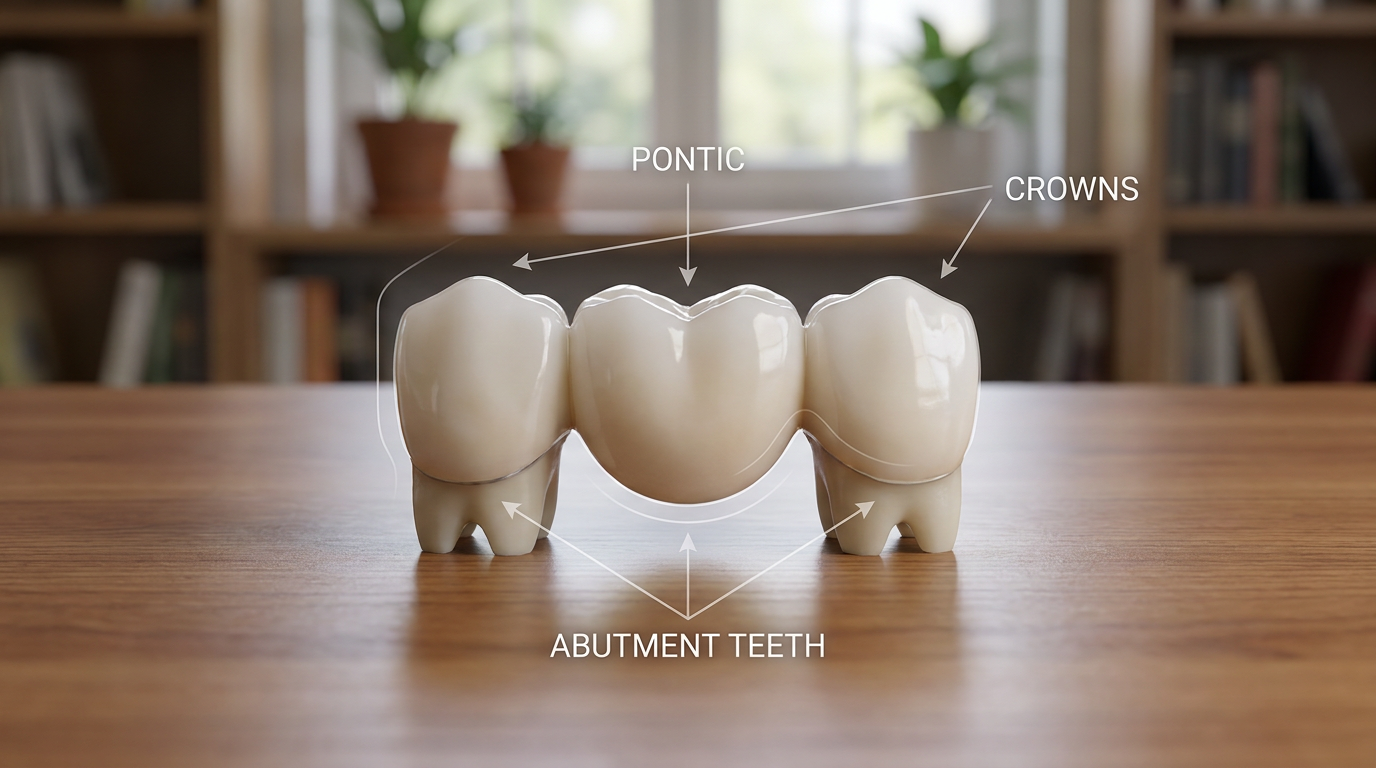
A dental bridge literally "bridges" the gap created by one or more missing teeth. It consists of artificial teeth, called pontics, which are held in place by dental crowns on the adjacent natural teeth, known as abutment teeth. This creates a stable, non-removable replacement for your missing teeth, designed to look and feel natural.

Zoe learned that her bridge would be custom-made to match the color and shape of her existing teeth. Dr. Choi explained that a dental bridge helps prevent remaining teeth from shifting. This natural movement of teeth can lead to changes in your bite and even jaw discomfort over time.

Bridge Component Breakdown:

  • Pontic: The artificial tooth or teeth that fill the space of the missing tooth.
  • Abutment teeth: The natural teeth on either side of the gap that support the bridge.
  • Crowns: Placed over the abutment teeth, these secure the pontics in position.
  • Materials: Bridges can be made from porcelain, ceramic, or zirconia for aesthetics, or metal for strength.
A detailed, clear visual representation of a dental bridge.

Bridge vs. Implant: Key Differences?

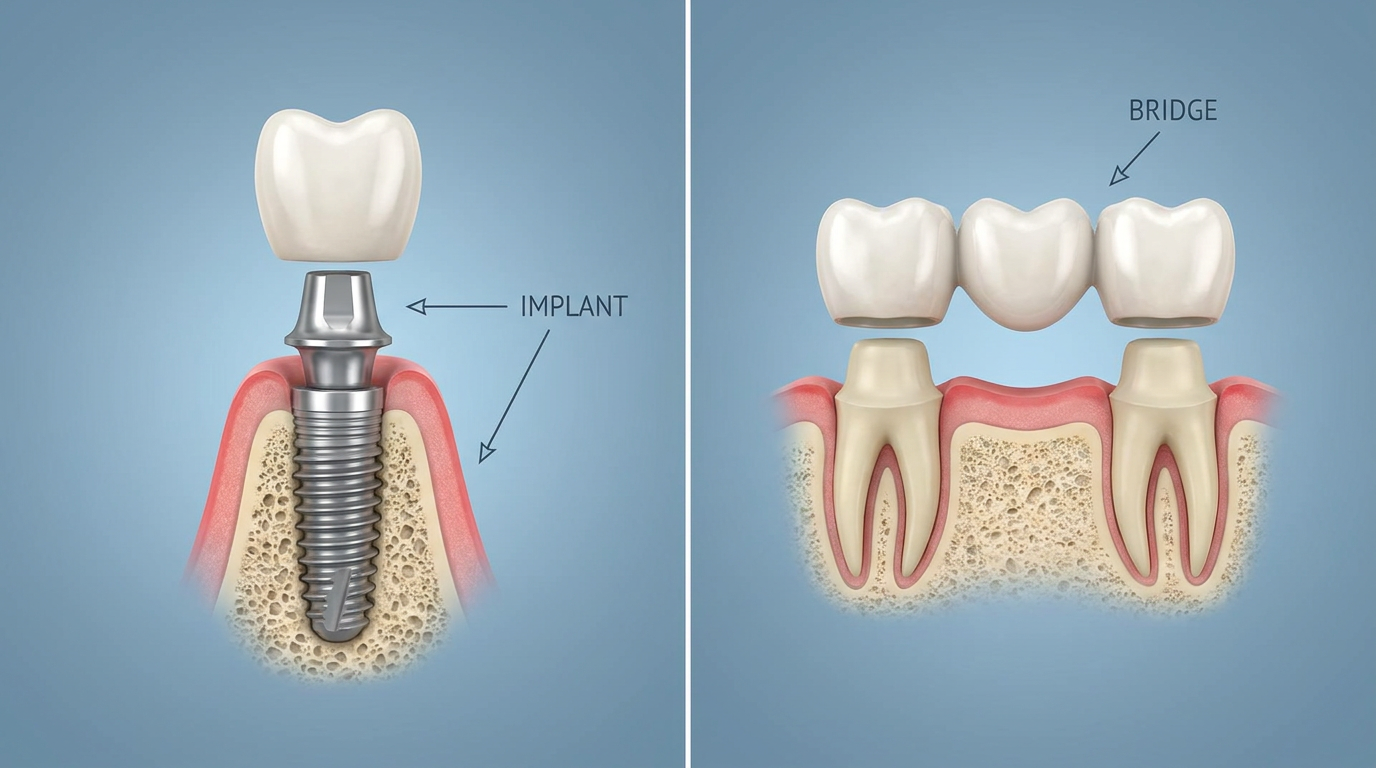
While both dental bridges and implants serve to replace missing teeth, their approaches differ significantly. A dental implant replaces the tooth root with a titanium post, acting as a standalone solution for a missing tooth. In contrast, a bridge relies on the neighboring teeth for support.

Dr. Choi reviewed Zoe's options, noting that implants are often preferred for isolated missing teeth when the adjacent teeth are healthy and untouched. However, if the adjacent teeth already have large fillings or need crowns, a bridge could be a more conservative approach as it addresses multiple issues with one restoration. Implants don't require altering adjacent teeth.

Choosing Your Best Solution:

  • Dental Implants: Offer a highly durable, long-term solution that preserves jawbone health. They do not involve modifying adjacent healthy teeth.
  • Dental Bridge: An excellent choice if adjacent teeth need crowns already or if a quicker, less invasive treatment is desired. It typically involves fewer appointments.
  • Durability: Implants can last a lifetime with proper care, while bridges generally have a lifespan of 5 to 15 years.
  • Cost: Bridges are often less expensive upfront than implants.
Two comparative illustrations: one showing a dental implant with a screw and crown, and the other showing a three-unit dental bridge fixed to two natural

Who Can Get a Dental Bridge?

Ideal candidates for dental bridges typically have healthy natural teeth on either side of the gap that can support the bridge. These abutment teeth must be strong enough to bear the additional stress of holding the pontic. Good overall oral health is also a key factor.

Dr. Choi carefully assessed Zoe's oral health, including her gum condition and the strength of her remaining teeth. He explained that a patient with active gum disease would need treatment before considering a dental bridge. Healthy supporting structures are essential for the bridge's longevity and stability.

If there aren't strong natural teeth to support a traditional bridge, Dr. Choi might discuss other options, such as an implant-supported bridge or partial dentures. Each patient's unique situation guides the best tooth replacement options.

Dr.

Schedule an Appointment Today

Considering a dental bridge or another tooth replacement option? Dr. Kyung Choi and the team at Choi & Lee Family Dentistry are here to help. Contact us to schedule a consultation and explore the best solutions for your smile.

Modern reception area at Choi & Lee Family Dentistry in La Verne with comfortable seating, a curved white desk, mountain views through large windows, and natural lighting

Dental Bridge Procedure Steps

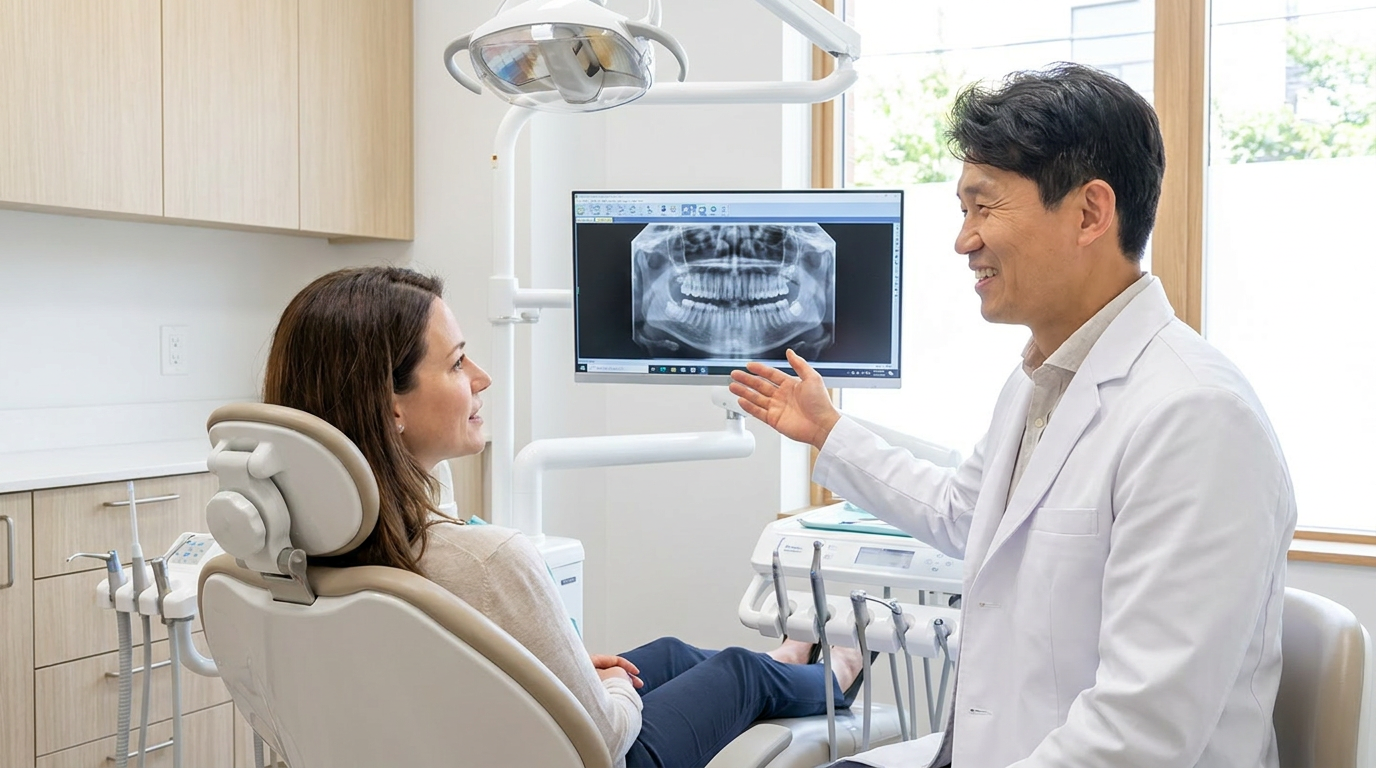
The process for getting a dental bridge usually involves two to three appointments. It begins with a thorough examination and consultation where Dr. Choi discusses your specific needs and suitable options. Zoe was appreciative of the detailed explanation provided at her first consultation.

At the initial treatment appointment, the abutment teeth are carefully reshaped to prepare them for the crowns. This preparation ensures a precise and strong fit for the bridge. Dr. Choi works diligently to remove a small amount of enamel, creating room for the bridge to seat properly without affecting your bite.

Bridge Placement Steps:

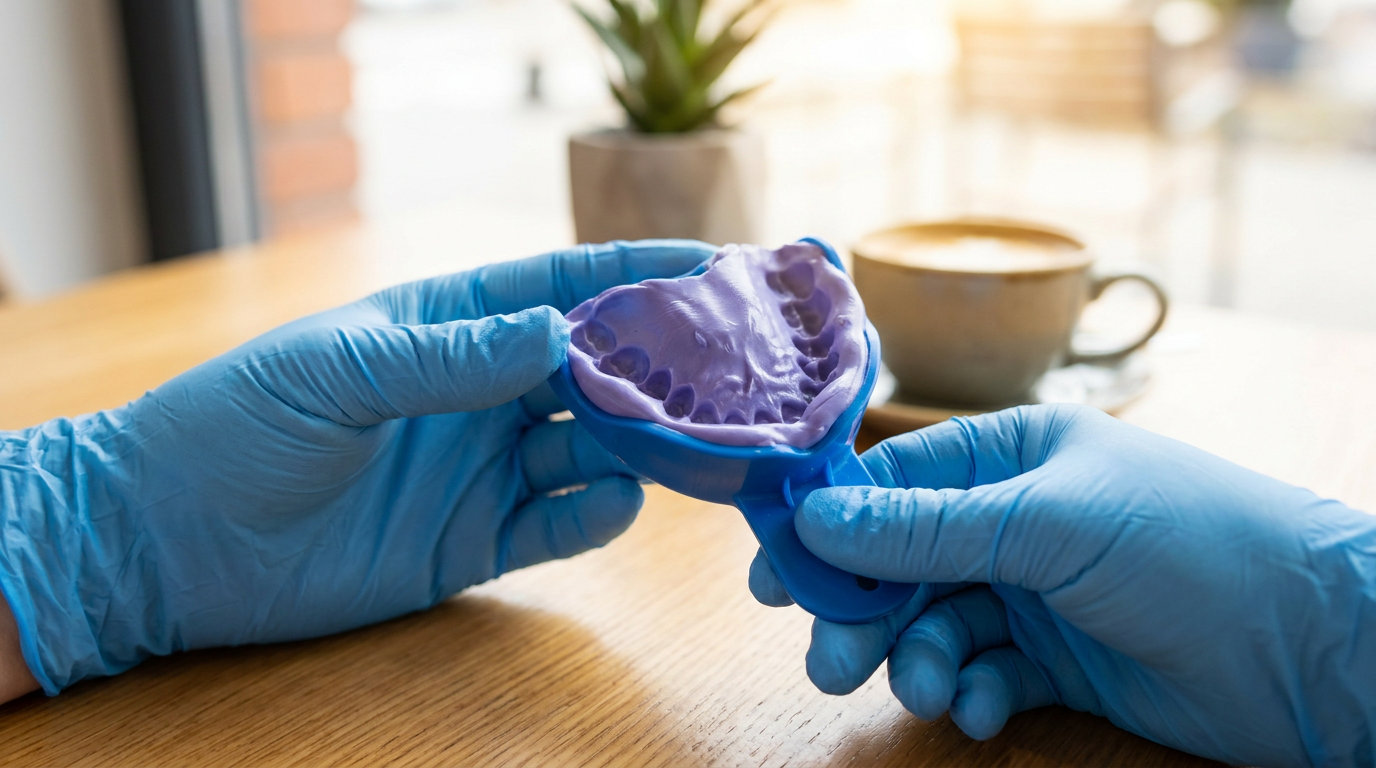
  • Tooth Preparation: The abutment teeth are recontoured, and impressions are taken.
  • Temporary Bridge: A temporary bridge is placed to protect the prepared teeth and maintain aesthetics.
  • Custom Fabrication: The impressions are sent to a dental lab to custom-craft your permanent bridge.
  • Final Placement: Once the permanent bridge arrives, Dr. Choi adjusts and bonds it into place.
  • Follow-Up: A follow-up visit ensures your bite is comfortable and the bridge is secure.
Close-up view of a dental impression tray filled with impression material, being gently held by a dental assistant's gloved hands.

How Long Do Bridges Last?

With proper care, a dental bridge can last between 5 and 15 years, with some lasting even longer. The lifespan largely depends on your oral hygiene habits and regular dental check-ups. Zoe knew that maintaining her new bridge would be just as important as the procedure itself.

Dr. Choi emphasized that excellent daily oral care is vital. Brushing twice a day and flossing daily, especially under the pontic, helps prevent plaque buildup and gum disease around the abutment teeth. Neglecting these areas can jeopardize the integrity of the entire dental bridge.

Regular visits to Choi & Lee Family Dentistry for professional cleanings and examinations are also key. Dr. Choi will monitor the condition of your bridge and surrounding teeth. He can detect any issues early, preventing more significant problems and extending the life of your restoration.

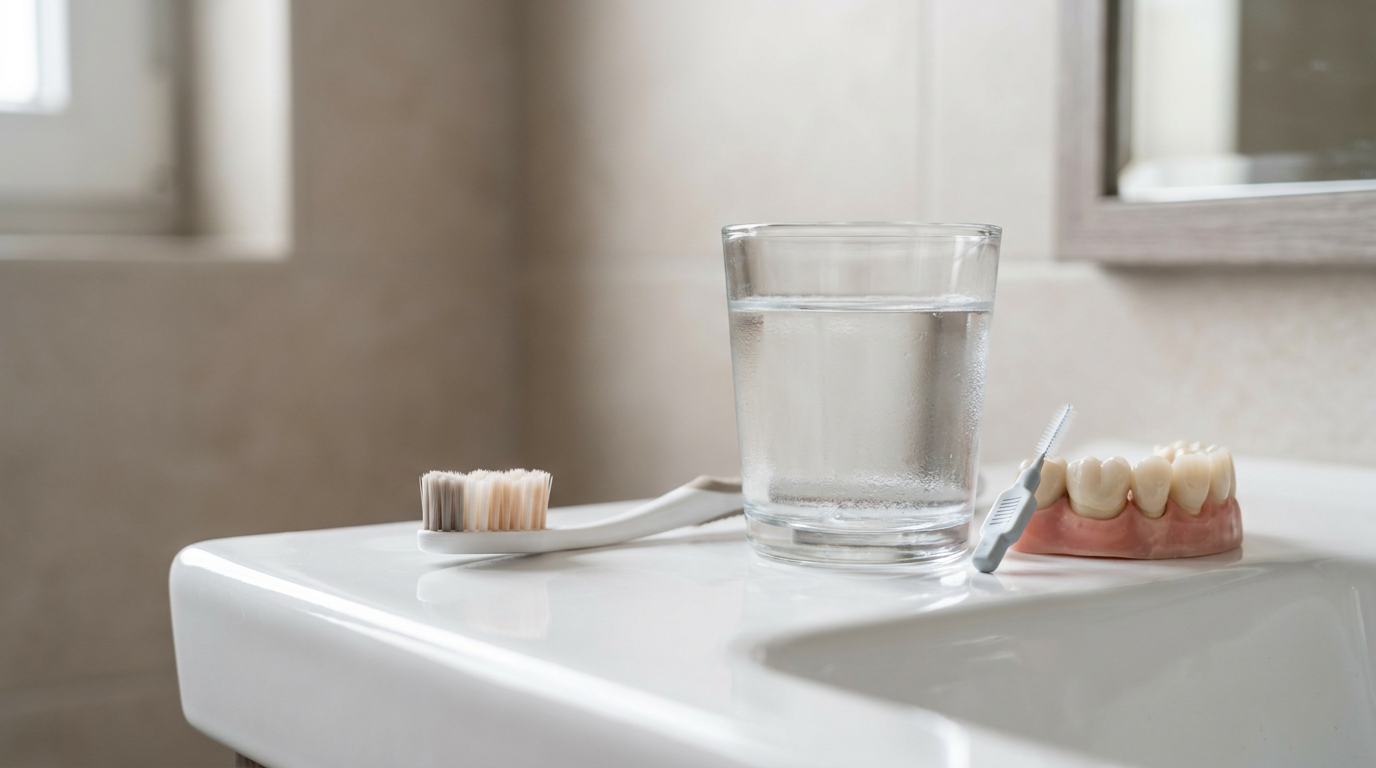
A close-up shot of a toothbrush and a small interdental brush resting on a clean, white bathroom counter next to a glass of water, emphasizing tools for proper

Caring for Your Dental Bridge

Caring for your new dental bridge is much like caring for your natural teeth. Consistent oral hygiene is paramount to ensure the longevity of the bridge and the health of your supporting teeth and gums. Zoe received clear instructions on maintenance from the team at Choi & Lee Family Dentistry.

Special attention should be paid to cleaning under the pontic, where food particles can easily get trapped. Using a floss threader or interdental brush is highly recommended for these areas. These tools help to effectively remove plaque and debris, preventing gum irritation and decay in the abutment teeth.

Essential Care Tips:

  • Brush Regularly: Brush at least twice a day with a soft-bristled toothbrush and fluoride toothpaste.
  • Floss Daily: Use a floss threader or water flosser to clean beneath the pontic and around abutment teeth.
  • Avoid Hard Foods: Steer clear of very hard or sticky foods that could damage the bridge.
  • Regular Check-ups: Schedule routine dental visits to check the bridge's integrity and overall oral health.
  • Address Issues Promptly: If you notice any discomfort or damage, contact Dr. Choi without delay.
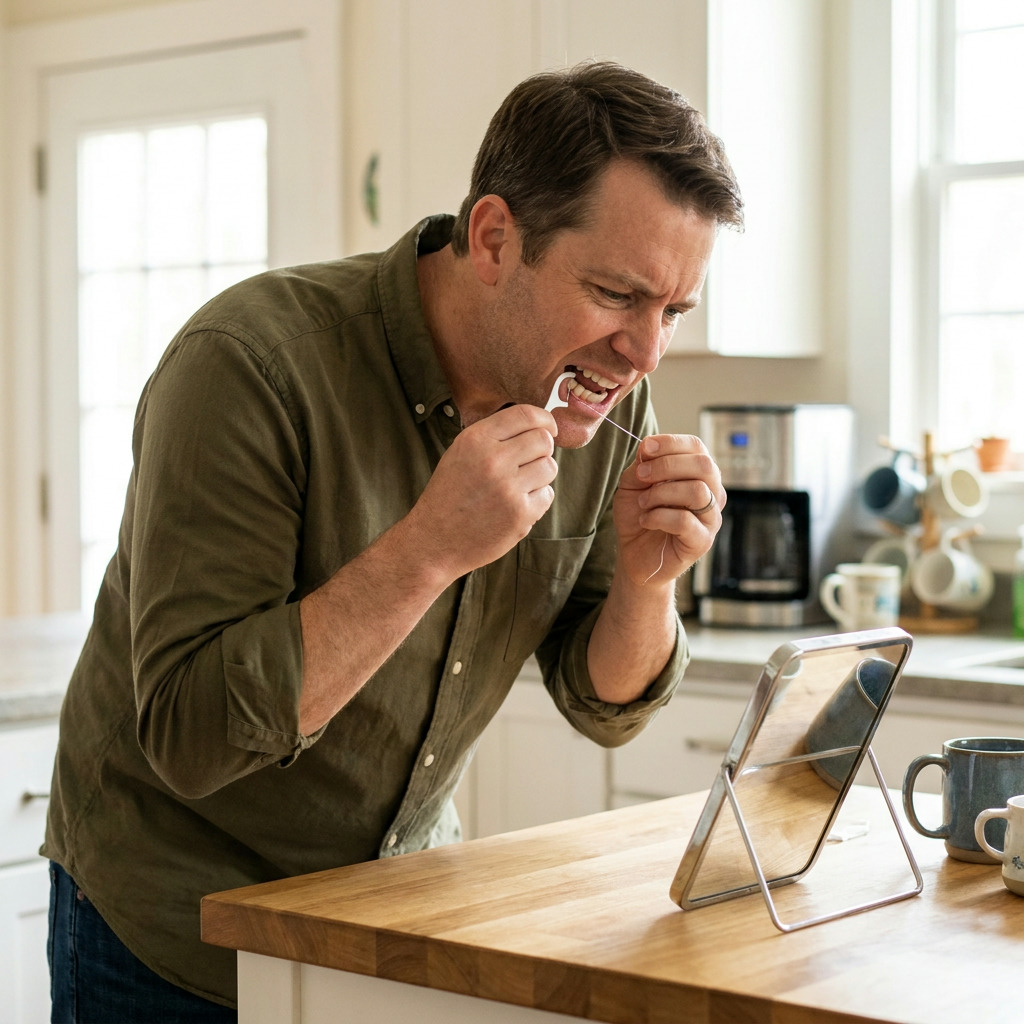
Zoe, demonstrating proper flossing technique with a floss threader under a bridge.

Enjoying a Restored Smile

After her final appointment, Zoe looked in the mirror and smiled brightly. The gap that had bothered her for months was gone, replaced by a perfectly matched, natural-looking porcelain bridge. She could already feel the difference in her bite and no longer felt any self-consciousness when she laughed.

The bridge not only restored her ability to chew comfortably but also significantly boosted her confidence. Dr. Choi and his team were pleased to see Zoe's positive transformation. They had walked her through every step, ensuring she understood her options and felt comfortable with the procedure. Her journey underscores how a fixed dental bridge can profoundly improve a patient’s quality of life.

Zoe left the La Verne office feeling grateful and excited about her newly restored smile. She understood that consistent home care and regular follow-up visits would be key to keeping her bridge in optimal condition for many years to come. Her experience was a testament to the blend of expert treatment and compassionate care provided at Choi & Lee Family Dentistry, helping her regain a beautiful, functional smile.

Zoe, smiles genuinely and confidently while talking to Vanessa, over coffee at an outdoor cafe.
Categories:
Advice you can actually use

Dental Tips and Insights From Our Team

July 10, 2026

Gum Bumps: Abscess, Cyst, or Something Else?

Discover common gum bump causes and why professional dental care from Dr. Kyung Choi is crucial for peace of mind.

READ MORE
July 9, 2026

Permanent Tooth Replacement With Dental Implants

Dental implants provide a stable, permanent solution for missing teeth, restoring function, aesthetics, and confidence for many patients.

READ MORE
June 3, 2026

Your Trusted La Verne Dentist for the Whole Family

Discover La Verne's ideal family dentist! Choi & Lee Family Dentistry offers comprehensive, compassionate dental care for all ages.

READ MORE

Frequently Asked Questions

1. What are dental bridges made of?
Dental bridges are typically made from a combination of porcelain, ceramic, or zirconia, often fused to metal for added strength. These materials are chosen for their durability and ability to closely mimic the appearance of natural teeth. Dr. Choi selects the best material based on the bridge's location and your aesthetic goals.

2. Is getting a dental bridge painful?
The dental bridge procedure is performed under local anesthesia, so you should not feel any pain during the treatment. Some patients may experience mild soreness or sensitivity in the abutment teeth and gums after the anesthesia wears off, which can be managed with over-the-counter pain relievers.

3. How do dental bridges compare to dentures?
Dental bridges are fixed restorations, permanently cemented into place, while dentures are removable appliances. Bridges offer a more stable and natural feel, closely mimicking natural teeth. Dentures are often a more economical option for replacing multiple teeth or a full arch.

4. Can a dental bridge get cavities?
Yes, the natural teeth supporting the bridge (abutment teeth) can still get cavities, especially at the gum line where the crown meets the tooth. This highlights the importance of meticulous oral hygiene, including thorough brushing and flossing around and under the bridge to prevent decay.

5. Will food get stuck under my dental bridge?
It is possible for food particles to get trapped under the pontic of a dental bridge. This is why Dr. Choi emphasizes the use of specialized cleaning tools like floss threaders or water flossers. Regular and proper cleaning prevents plaque buildup and maintains the health of your gums and surrounding teeth.

6. How long does it take to get a dental bridge?
The complete process for a dental bridge typically takes two to three appointments over several weeks. The first appointment involves preparation and impressions, followed by the placement of a temporary bridge. The final appointment is for the placement of your custom-fabricated permanent bridge.

We'reHere for You

We'd love to hear from you. Whether you have questions about our services or are ready to book your next visit, the team at Choi & Lee Family Dentistry in La Verne, CA is here to help you feel at home.

DENTAL EMERGENCY?

We offer same-day emergency appointments to help you find relief fast. Call us immediately at (909) 596-4811

Book An Appointment

Thank you for booking your appointment!

We’ve received your request and will contact you soon to confirm the details. We look forward to seeing you at iSmile Dental Care!

Oops! Something went wrong while submitting the form.